Skip to content

Fencing
The Pros and Cons of Timber Fencing
When it comes to fencing, homeowners have many options to choose from. One popular choice is timber fencing. While timber fencing has its benefits, there are also potential drawbacks to consider. In this article, we will explore the pros and cons of timber fencing to help you make an informed decision.
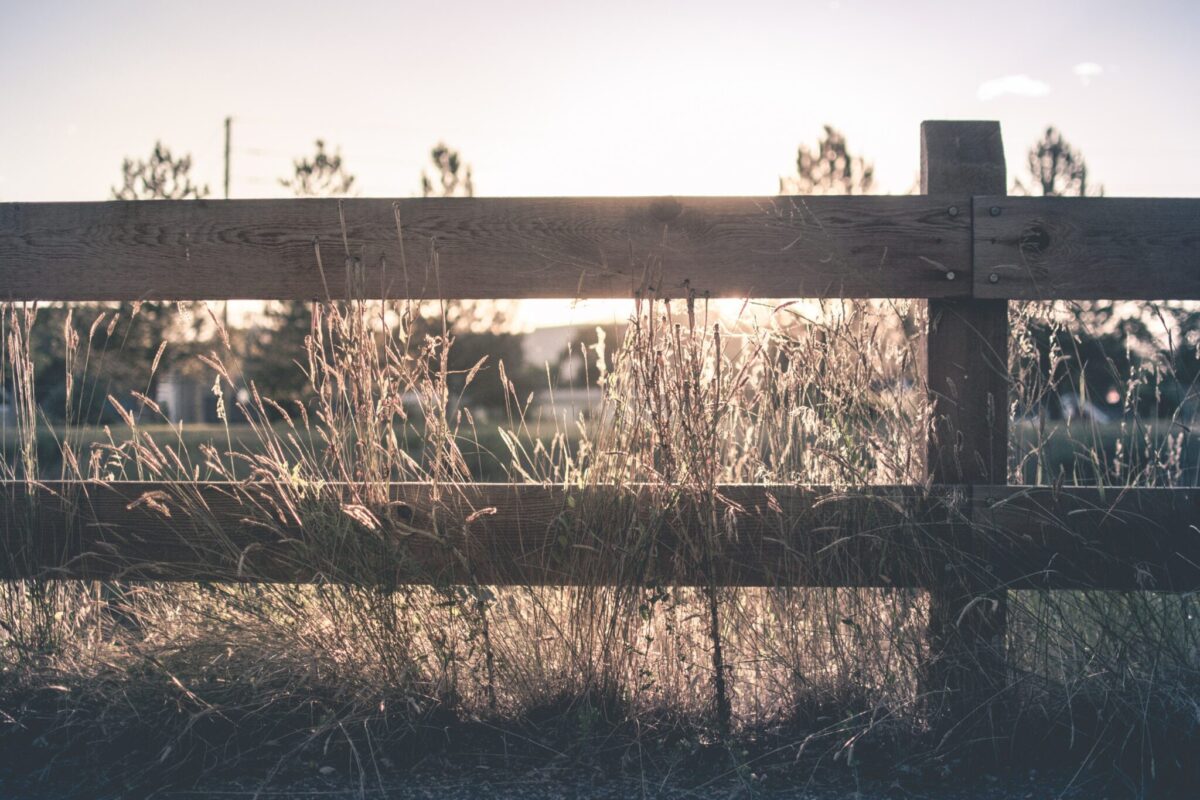
In addition to the advantages and disadvantages mentioned above, there are several other factors to consider when it comes to timber fencing. For example, the type of wood used can greatly affect the durability and appearance of the fence. Cedar and redwood are popular choices due to their natural resistance to decay and insects, while pine and spruce may require additional treatment to prevent rot and decay.
Another consideration is the cost of timber fencing. While it can be an affordable option compared to other materials like wrought iron or vinyl, the cost can vary depending on the type of wood used and the size of the fence. Additionally, installation costs should be taken into account, as timber fencing may require more labour than other materials.
When it comes to maintenance, timber fencing requires regular cleaning, staining, and sealing to prevent damage from moisture and UV rays. This can be a time-consuming and costly process, especially for larger fences.
Despite these potential drawbacks, many homeowners still choose timber fencing for its natural beauty and versatility. With proper care and maintenance, a timber fence can provide privacy and security for years to come.
Aesthetic Benefits of Timber Fencing
Timber fencing is a popular choice for homeowners due to its natural beauty and aesthetic appeal. The warm, earthy tones of timber can enhance the look of any outdoor space, providing a natural and rustic feel that is hard to achieve with other materials.
One of the most significant benefits of timber fencing is its versatility. Timber fences can be customised to suit any style or design preference, whether you prefer a classic picket fence or a modern, sleek design. You can also choose from a range of timber types, including pine, cedar, and redwood, each with its unique colour and texture.
Another advantage of timber fencing is its ability to blend seamlessly with the surrounding landscape. Unlike metal or vinyl fencing, timber fences can be stained or painted to match the colour scheme of your home and garden, providing a cohesive and harmonious look.
Timber fences are also an excellent option for privacy. They can be built to any height, ensuring that your outdoor space remains secluded from prying eyes. This is particularly important for pet owners who want to keep their furry friends safe and secure in their gardens.
However, it’s important to note that timber fences require regular maintenance to keep their visual appeal. Sun exposure, environmental factors such as snow and rain, and occasional contact with moisture can warp wood. To improve the fence’s longevity, homeowners can opt to apply a sealant or wood preservative to avoid rot and mould from developing.
In conclusion, timber fencing is an excellent choice for homeowners who want to enhance the beauty of their outdoor space while also providing privacy and security. With proper maintenance, a timber fence can last for many years and provide a natural and timeless look that will never go out of style.
-
 Whitwell Green Square TrellisPrice range: £9.52 through £42.06 Incl. VAT Price range: £7.93 through £35.05 Ex. VAT
 -
 Hazel Hurdle Fence PanelPrice range: £44.96 through £70.88 Incl. VAT Price range: £37.47 through £59.07 Ex. VAT
 -
 Green Lap Fence PanelPrice range: £27.11 through £35.33 Incl. VAT Price range: £22.59 through £29.44 Ex. VAT
Understanding the Lifespan of Timber Fencing
Timber fencing is a popular choice for homeowners due to its natural beauty and durability. However, it’s important to understand the lifespan of timber fencing to ensure that it remains a worthwhile investment for your property.
When it comes to timber fencing, the life expectancy is typically around 15 years. However, this can vary depending on several factors, including the climate of your area. If you live in an area with a lot of rain or humidity, your fence may be more susceptible to rot and decay. On the other hand, if you live in an area with harsh winters, your fence may be more prone to damage from snow and ice.
Another factor that can impact the lifespan of your timber fence is pests. Termites and other wood-boring insects can cause significant damage to your fence, weakening its structure and shortening its lifespan.
How can you make it last longer?
To ensure that your timber fence lasts as long as possible, it’s essential to inspect it regularly. Ideally, you should inspect your fence at least once a year, checking for signs of rot, decay, and pest infestation. If you notice any problems, it’s important to address them promptly to avoid further damage or the need for complete removal and installation.
Maintenance is also key to extending the lifespan of your timber fence. Applying a coat of sealant or wood preservative can help protect your fence from the elements and prevent rot and decay. You should also trim back any vegetation that is growing too close to your fence, as this can trap moisture and contribute to decay.
Ultimately, the lifespan of your timber fence will depend on several factors, including climate, pests, and maintenance. By taking proper care of your fence and addressing any issues promptly, you can ensure that it remains a beautiful and functional addition to your property for many years to come.
Maintenance and Upkeep of Timber Fencing
Routinely inspect your fence to check for weather effects on the timber. Check for soft or moist spots, signs of rotting, and the rusting of any metal fixtures such as nails and screws. Inspect the fence every year to ensure that it remains structurally sound and to address any potential issues. The application of a wood preservative or sealant will ensure long-term timber preservation and protect the overall lifespan of the fence.
Conclusion
Choosing timber fencing for your property is a personal decision that depends on several factors, including practical concerns and personal preferences. Although it requires regular maintenance and upkeep, timber fencing provides a beautiful and natural look to any home’s exterior. Consider its benefits and any potential drawbacks when making your decision.