Skip to content

Information
What Is Creosote and Can You Still Buy It? A Complete Guide for 2026

Introduction
If you’ve been involved in fencing, landscaping, or agricultural projects, chances are you’ve come across creosote, one of the oldest and most reliable timber preservatives ever produced. But with regulatory changes over the years, many people ask: What is creosote, and can you still buy it? This guide explores what creosote is, why it has been restricted, how creosoted timber is still used professionally, and what viable alternatives exist today.
What is Creosote?
Creosote is a highly effective wood preservative produced from the distillation of coal tar. It protects timber from wood‑rotting fungi, insects, and decay, and has been used for more than 150 years across railways, utilities, fencing, and agricultural sectors.
Creosote is classed as a biocide and is highly potent, but this effectiveness comes with hazards. It contains polycyclic aromatic hydrocarbons (PAHs), including known carcinogens, which are harmful to human health and the environment. Because of this, its use has become tightly controlled.
Can You Still Buy Creosote in the UK?
The short answer: Yes, but only if you are a professional user.
Why the Restrictions?
- Since 2003, the sale of creosote to the general public has been banned across the UK due to health and environmental risks.
- Creosote is still authorised under the GB Biocidal Products Regulation (GB BPR) for industrial and professional use only. The general public cannot legally purchase traditional creosote.
Who Can Buy It?
Certified professionals in industries such as agriculture, fencing, landscaping, rail, and utilities can purchase creosote for approved applications.
New Update from April 1st 2026
A new active substance approval expiry date for creosote has now been published. Following evaluation under the GB Biocidal Products Regulation (GB BPR), the approval for creosote has been renewed in Great Britain as is valid until 31 March 2033
Scope of the Renewed Approval
The renewed approval covers treatment of wood for the following uses:
- Railway Sleepers
- Transmission poles
- Fencing, limited to safety-critical uses requiring compliance with BS8417 (such as Fencing around animal enclosures, equestrian fencing, highway-related fencing.)
- Surface treatment of wood destined for the above uses when modification takes place at the point of installation
What does this mean for you? You can expect business as usual from us here at Musson’s for the next seven years as we can continue to supply our full range of creosote products to all our agricultural, fencing and landscaping customers.
Where Creosoted Timber Is Still Used
Even today, creosote‑treated timber remains essential in heavy‑duty, safety‑critical, and long‑life applications. These include:
Approved Professional Uses
According to UK regulatory guidance, creosote‑treated timber may be used for:
- Creo Railway sleepers
- Electricity poles & telecommunications poles
- Creosoted Sawn Timber for Agricultural, and equestrian fencing (including posts, rails, gate posts and gravel boards)
- Creosoted Cundy fencing stakes where exceptionally long service life is required
- Creosoted Gates
- Creoseal for Surface re‑treatment of previously creosoted timber, such as after cutting or drilling
These uses remain authorised because creosote provides unmatched durability in demanding environments.
Recommended products
-

Grade A 2.6m x 250mm x 150mm Creo railway Sleeper
£44.66 Incl. VAT£37.22 Ex. VAT -
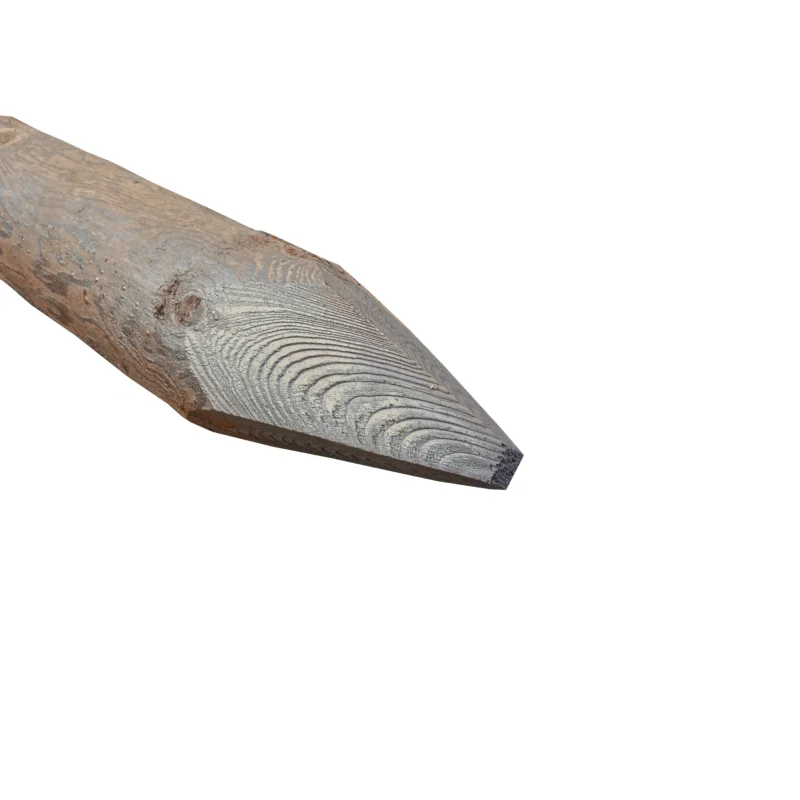
UK 75-100mm Creosoted Cundy Post Pointed
Price range: £10.34 through £16.75 Incl. VAT Price range: £8.62 through £13.96 Ex. VAT -
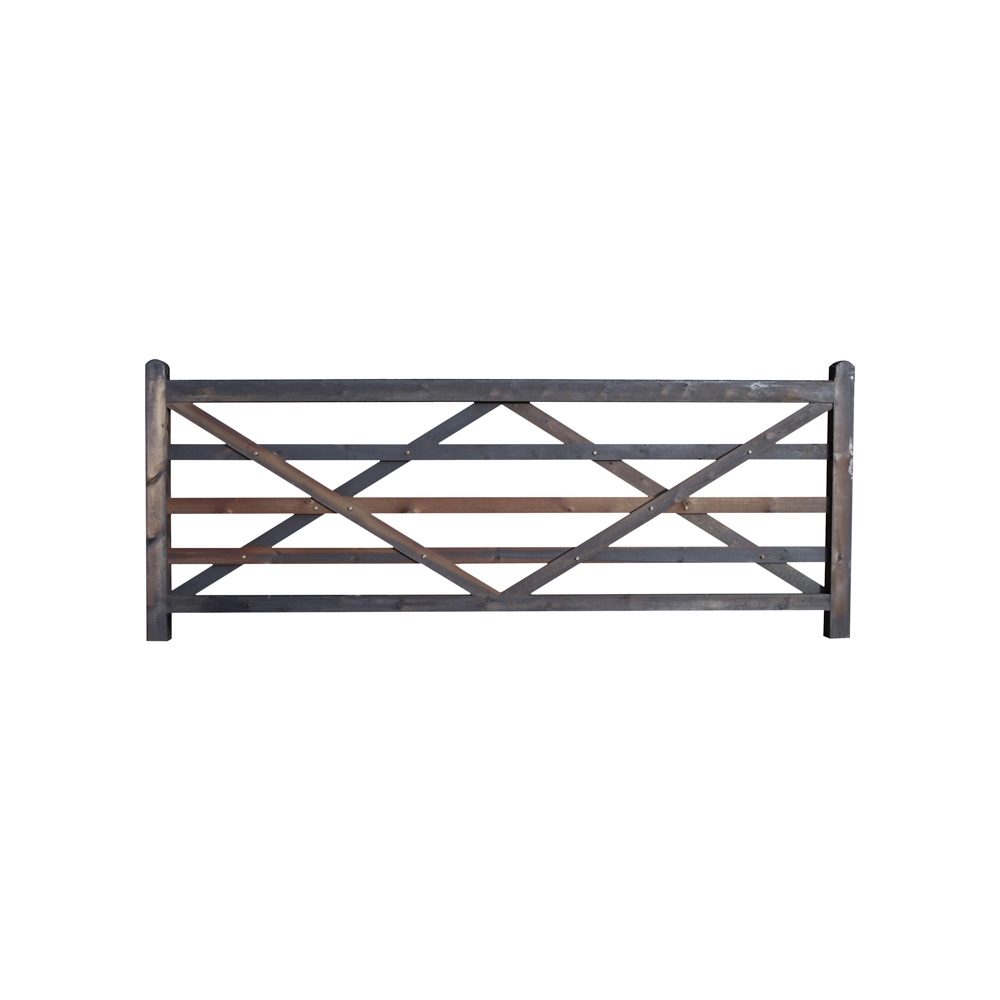
Creosoted Gate Universal Hang
£243.22 Incl. VAT£202.68 Ex. VAT -
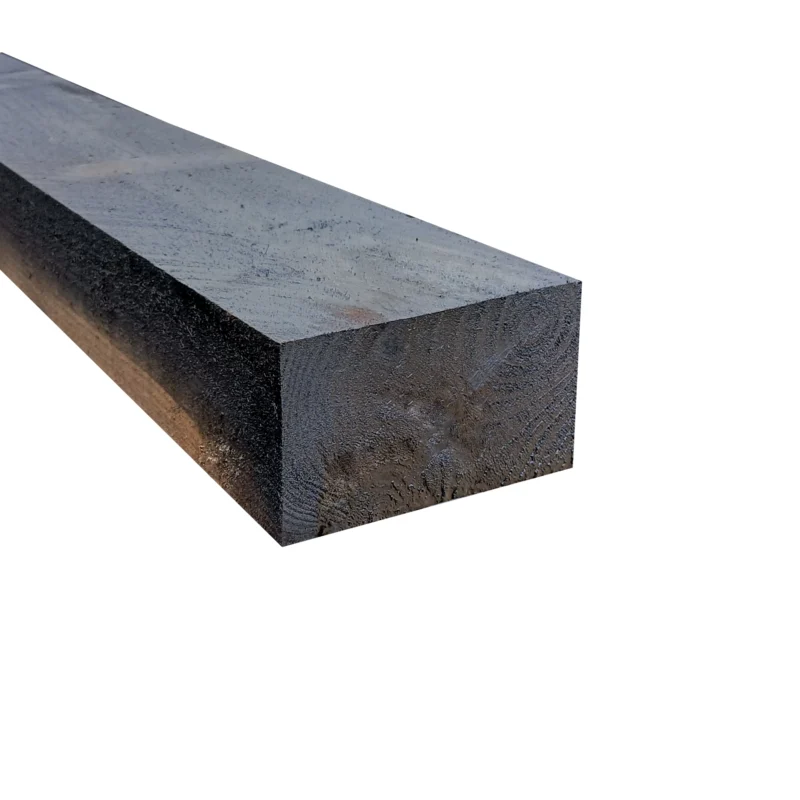
UK 125mm x 75mm Creosoted Square Post
Price range: £16.81 through £22.25 Incl. VAT Price range: £14.01 through £18.54 Ex. VAT
Why Creosoted Timber Is Still Valued in Fencing & Landscaping
Creosoted timber is prized for:
- Long service life – often several decades in the ground.
- Deep penetration of preservative into timber fibres.
- Superior protection against insects, moisture, and fungal decay.
- Cost effectiveness over the product’s lifespan.
For agricultural or high‑traffic environments, where fencing failure can pose risks to livestock or road safety, creosote is still considered indispensable.
Alternatives to Creosote
For most consumer and landscaping projects, safer and widely available alternatives now dominate.
Tanalised Timber
Tanalised timber (pressure-treated with modern preservatives) is the most common replacement. It offers:
- Strong protection against rot and insects
- Wide availability for fencing, decking, and landscaping
- Safer handling and consumer‑friendly certification
- Suitable for domestic environments where creosote is prohibited
Other Modern Alternatives
- Copper Oil – An emerging industrial treatment with creosote‑level service life, being adopted for fencing posts as creosote availability tightens.
- Vascol – A low pressure treatment for joinery, timber frame and general construction application.
Recommended products
-
150mm Pole+ (Copper Oil) Machined Round Pointed
£59.09 Incl. VAT£49.24 Ex. VAT -
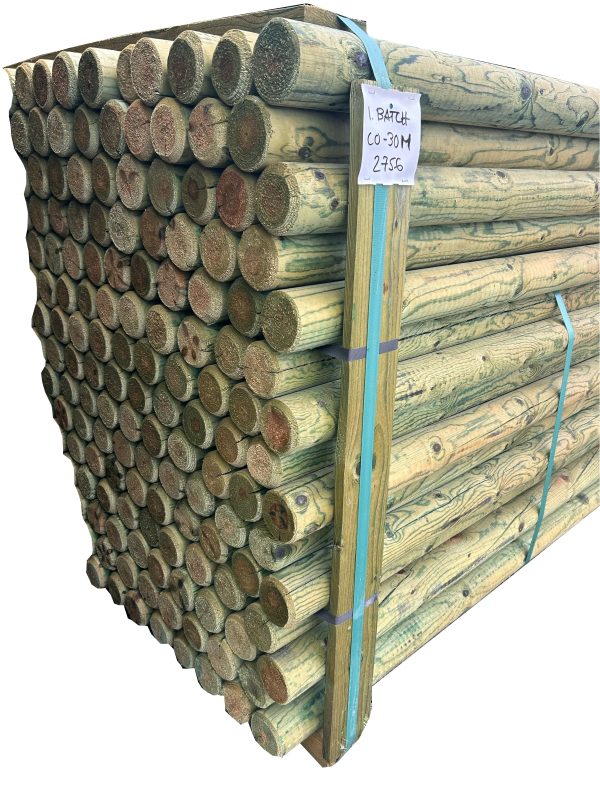
1.65m x 80mm Pole+ (Copper Oil) Machined Round Post Pointed
£8.99 Incl. VAT£7.49 Ex. VAT -
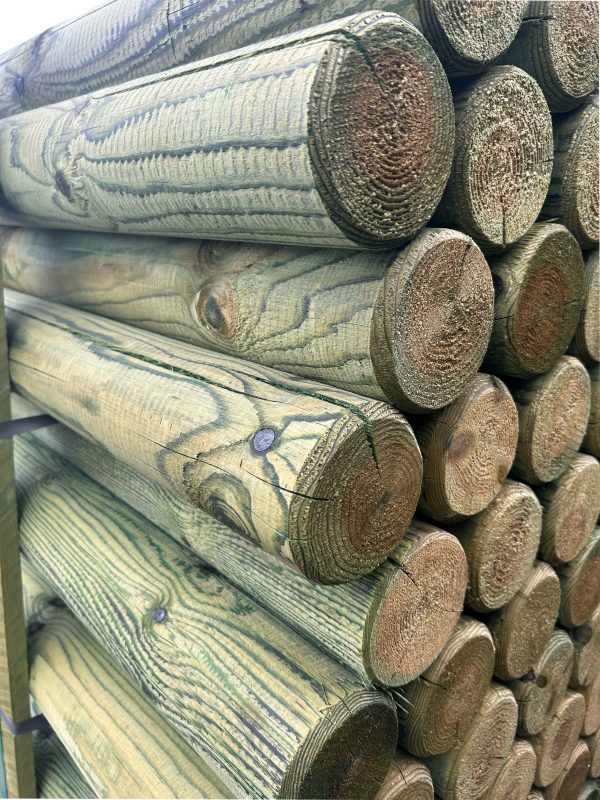
100mm Pole+ (Copper Oil) Machined Round Pointed
Price range: £18.56 through £23.68 Incl. VAT Price range: £15.47 through £19.73 Ex. VAT -

140mm Pole+ (Copper Oil) Machined Round Post Pointed
Price range: £36.07 through £41.18 Incl. VAT Price range: £30.06 through £34.32 Ex. VAT
Is Creosote Still the Best Choice?
For professional, heavy‑duty, long‑life applications, yes. Few preservatives match the lifespan and performance of creosoted timber. But for most domestic and landscaping projects, modern pressure‑treated alternatives provide a safe, compliant, and durable solution.