Skip to content

Information, Gate Guides
Gates for Rights of Way
If you own land that borders a public roadway or pathway, you may be responsible for maintaining a gate that provides a secure entryway for authorised users while keeping out unauthorised individuals. This gate is known as a “right of way” gate and is essential for keeping your property safe. In this article, we’ll discuss everything you need to know about gates for rights of way, navigating property laws with gates, and the different types of gates that are available for your property.
Regulations and Guidelines for Installing Gates for Rights of Way
It’s important to note that there are certain regulations that you must follow when installing a right of way gate. For example, you must ensure that the gate is accessible to emergency services at all times. This means that the gate must have a lock that can be opened by emergency services personnel, or it must have a keypad that emergency services can access.
Another factor to consider when installing a right of way gate is the impact it may have on local wildlife. If the gate is installed in an area that is home to endangered species, you may need to take additional steps to ensure that the gate does not interfere with their habitat.
It’s also important to consider the impact that the gate may have on the local community. If the gate restricts access to a popular public pathway, it may cause inconvenience and frustration for local residents. You may need to work with the community to find a solution that meets everyone’s needs.
Understanding Property Laws for Your Right of Way Gate
When it comes to choosing a gate for your right of way, there are several options available. One choice is a sliding gate, which is ideal for properties with limited space. Another option is a swinging gate, which is more visually appealing but requires more space to operate (see The Different Types of Gates for Rights of Way below for more options).
Furthermore, it’s important to consider the maintenance requirements of your gate. Depending on the type of gate you choose, you may need to perform regular maintenance to keep it functioning properly. This can include lubricating moving parts, replacing worn components, and cleaning the gate to prevent rust and corrosion.
Regardless of the type of gate you choose, it’s essential to ensure that it is constructed from high-quality materials and is installed by a professional. This will help to ensure that your gate is durable, secure, and provides the necessary level of protection for your property.
In conclusion, installing a right of way gate can provide numerous benefits for property owners, including increased security, control over access to their property, and improved visual appeal. However, it’s important to ensure that the gate is installed in compliance with local regulations and does not have a negative impact on the local community or wildlife.
In summary, navigating property laws with gates can be a complex process, but with the right knowledge and guidance, you can ensure that your gate installation is compliant with all legal requirements and designed to meet your specific needs.
The Different Types of Gates for Rights of Way
When it comes to securing your property, gates can be an essential element. Not only do they provide added security, but they can also add to the aesthetic appeal of your property. However, with so many different types of gates available, it can be challenging to determine which one is right for you.
Swing Gate
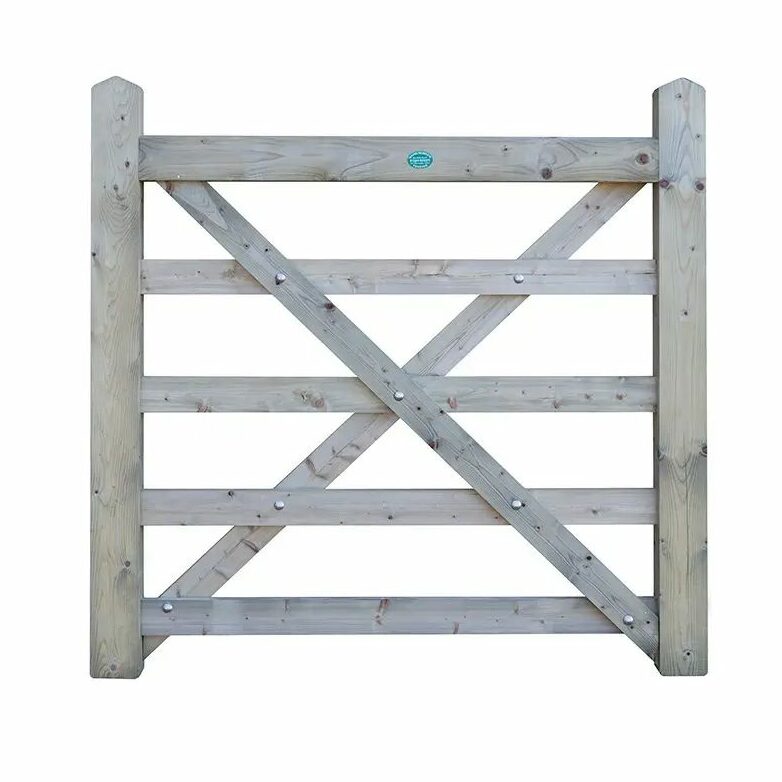
One of the most popular options is the swing gate. Swing gates are a classic choice and are ideal for properties with a traditional or rustic look. They can be made from a variety of materials, including wood, wrought iron, and steel, and can be customised to fit the specific needs of your property. However, it’s important to note that swing gates require adequate space for the gate to swing open and closed.
Bi-fold Gate
If you have limited space for a gate swing, a bi-fold gate may be the best option. Bi-fold gates are designed to fold in half, which means they take up less space than a swing gate. They are also an excellent option for properties with a modern or contemporary look. However, it’s important to note that bi-fold gates can be more expensive than other types of gates.
Slide Gate
Another option is the slide gate. Slide gates are ideal for properties with a large driveway or where there is limited space for a gate swing. They slide open and closed, which means they don’t require as much space as a swing gate. They can also be customised to fit the specific needs of your property and are available in a range of materials, including wood, aluminium, and steel.
Bridle Gate
Designed with livestock in mind, bridle gates are a great option to allow animals to move through a fence without getting caught or injured. But that’s not all they’re good for. Bridle gates are also suitable for use as pedestrian gates.

When selecting the right type of gate for your property, it’s important to consider the available space, the expected amount of traffic, and your budget. You should also ensure that you select a gate that is 100% watertight and rust-resistant. This will prevent the gate from becoming damaged and will help to ensure that it continues to function correctly for years to come.
Ultimately, the right gate for your property will depend on your specific needs and requirements. Take the time to research your options and consult with a professional to determine which type of gate is best for you.
Make Sure You Choose the Right Gate for Your Rights of Way
When it comes to choosing the right gate for your rights of way, there are several factors to consider. One important factor is the size of the gate. You want to make sure that the gate is large enough to accommodate any vehicles or equipment that may need to pass through it. It’s also important to consider the weight of the gate and ensure that it is sturdy enough to withstand heavy use.
In addition to size and weight, you’ll also want to consider the type of gate that is best suited for your needs. There are several different types of gates available, including swing gates, sliding gates, and cantilever gates. Each type has its own advantages and disadvantages, so it’s important to carefully consider which type will work best for your specific situation.
Another important consideration when choosing a gate is its level of security. Depending on the location of your property and the level of security you require, you may want to consider adding features like barbed wire or electric fencing to your gate. You may also want to consider installing security cameras or other surveillance equipment to monitor the area around your gate.
Finally, it’s important to choose a gate that is aesthetically pleasing and complements the overall look of your property. This can help to enhance the value of your property and make it more attractive to potential buyers or renters.
Overall, choosing the right gates for your rights of way is an important decision that requires careful consideration of a variety of factors. By taking the time to choose the right gate, you can help to ensure the security and functionality of your property for years to come.