Skip to content

Information, Gate Guides
Tools You Need to Install a Gate
Installing a gate can be an important step in securing your property, providing privacy, and enhancing its overall appearance. It can also be a challenging task, requiring careful planning and preparation, as well as the right tools and materials. In this article, we’ll cover the essential tools you need to install a gate, as well as some helpful tips for each stage of the process. Whether you’re a DIY enthusiast or a professional contractor, this guide will help you get the job done right.

Preparing for gate installation
Before you start the installation process, you need to take a few key steps to ensure that everything goes smoothly and safely. The first step is to measure the area where you want to install the gate, so you can choose the right size and type. Make sure to account for any obstructions, such as walls, fences, or trees, as well as the location of any underground utilities. Once you have a clear idea of the gate’s dimensions, you can start gathering the necessary materials and tools.
Measuring the gate area
To measure the gate area, you’ll need a tape measure, a pencil, and a notepad. Start by measuring the width and height of the opening where you want to install the gate. Make sure to measure from the inside of the posts or columns, as this will give you the most accurate dimensions. Write down the measurements on your notepad, and take note of any irregularities or obstacles that could affect the installation process, such as uneven ground, tree roots, or drainage ditches.
Choosing the right gate type
The next step is to choose the right type of gate for your needs and preferences. There are many different types of gates to choose from, including swing gates, sliding gates, and bi-fold gates. Each type has its own advantages and disadvantages, depending on factors such as space constraints, security needs, and aesthetic preferences. Take some time to research the different types of gates, and consult with a professional if you’re not sure which one to choose.
Gathering necessary materials
After you have chosen the right gate type, you can start gathering the necessary materials. This will typically include the gate itself, as well as the hinges, lockset, latch, and any additional hardware or decorative elements. Make sure to check that all the materials are compatible with each other, and that you have enough of each item to complete the installation process.

Essential tools for gate installation
Once you have all the necessary materials, you can start gathering the essential tools for gate installation. These will typically include a power drill and drill bits, a level, a tape measure, a saw, a spanner set, a screwdriver set, a hammer and nails, and a shovel or post hole digger. Make sure to have all these tools on hand before you start the installation process, and keep them organised and easily accessible throughout the project.
Power drill and drill bits
A power drill and drill bits are essential for drilling pilot holes and are useful for installing screws and other hardware. Make sure to choose a drill with enough power and torque for the job, and use the right size and type of drill bit for each task. A cordless drill or impact driver can be especially helpful, as it will allow you to move around freely and reach tight spaces.
Level
A level is essential for ensuring that the gate is properly aligned and level. Make sure to choose a sturdy level that can withstand the elements and repeated use. Use the level to check the vertical and horizontal alignment of the gate posts, as well as the gate itself, throughout the installation process.

Tape measure
A tape measure is essential for measuring the gate area, as well as for taking precise measurements of the gate itself and its hardware. Make sure to choose a tape measure with a locking mechanism and a clear, easy-to-read scale. Keep the tape measure handy at all times, and use it to double-check your measurements.

Saw
A saw is essential for cutting any wood, metal, or other materials to size. Make sure to choose a saw with a sharp, sturdy blade that can handle the thickness and hardness of the materials you’re working with. Use the saw to cut the gate posts, rails, and any other components to size, according to your measurements.

Spanner set
A spanner set is essential for tightening nuts, bolts, and other hardware. Make sure to choose a set with a variety of sizes and types of spanners, so you can tackle any task. Use the spanners to tighten the bolts that hold the gate hinges and lockset in place, as well as any other hardware that requires tightening.
Screwdriver set
A screwdriver set is also useful for installing screws and other hardware. Make sure to choose a set with a variety of sizes and types of screwdrivers, so you can tackle any task. Use the screwdrivers to install the screws that secure the gate hinges, lockset, and latch in place, as well as any other hardware that requires screwing in.
Hammer and nails
A hammer and nails are essential for attaching any wooden components, such as slats or pickets, to the gate frame. Make sure to choose a hammer with a comfortable grip and a sturdy head, and nails that are the right size and type for the job. Use the hammer to drive the nails into the wood, being careful not to split the wood or damage the finish.

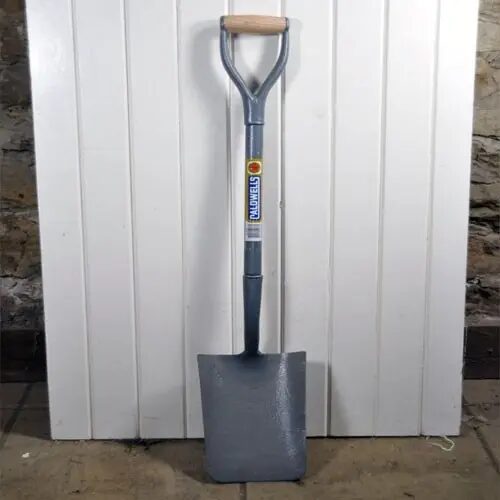
Shovel or post hole digger
A shovel or post hole digger is essential for digging the post holes and removing any soil or debris. Make sure to choose a shovel or post hole digger that is the right size and shape for the job, and that can withstand repeated use. Use the shovel or post hole digger to excavate the holes to the correct depth and width, and to remove any soil or debris that could interfere with the installation process.
Installing the gate posts
The most important part of gate installation is getting the gate posts set correctly. If the posts are not level or secure, the rest of the gate installation will suffer. Here’s how to install the gate posts:
Digging the post holes
Use a shovel or post hole digger to dig the post holes to the appropriate depth and width. Typically, the holes should be about 1/3 the length of the posts deep, and about 10 inches in diameter. Make sure to keep the holes straight and level, and to remove any rocks or debris that could interfere with the installation process.

Setting the posts in concrete
Insert the gate posts into the holes, making sure to adjust them for proper spacing and alignment. Then mix the concrete according to the manufacturer’s instructions, and pour it into the holes to a level about 3 inches below ground level. Use a level to check that the posts are straight and level, and adjust them as necessary.
Ensuring proper alignment and levelling
Use a level to check that the posts are straight and level, and adjust them as necessary. Make sure that the posts are aligned with each other, and that the distance between them is the same as the width of the gate. Once the posts are properly aligned and levelled, allow the concrete to dry completely.
Attaching post caps (if needed)
After the concrete has dried, attach the post caps to the top of the posts if needed. This will help protect the posts from moisture and sunlight, and add a finishing touch to the installation.
Conclusion
Installing a gate can be a rewarding and satisfying project, as long as you have the tools and knowledge to do it right. By following the steps and tips outlined in this article, you can ensure that your gate installation is safe, secure, and aesthetically pleasing. Remember to take your time, measure carefully, and use the right tools and materials for the job. With a little patience and persistence, you can create a beautiful and functional gate that enhances your property for years to come.