Skip to content

Information, Home Tips
The Different Materials Used for Garden Decking
Adding a decking area to your garden can be a great way to extend your living space, create an outdoor dining area, or simply give you a space to relax in the sun. But with so many decking materials available, it can be hard to know which one to choose. In this article, we’ll take a look at the various materials used for garden decking and help you decide which one is right for you.
An Overview of Decking Materials for Outdoor Spaces
When it comes to creating an outdoor space, one of the most important decisions you’ll make is choosing the right decking material. Not only does it need to look great and fit in with your design aesthetic, but it also needs to be durable and able to withstand the elements.
There are several factors to consider when choosing decking materials for your garden, including durability, maintenance requirements, and cost. Let’s take a closer look at the most popular options.
Hardwood Decking
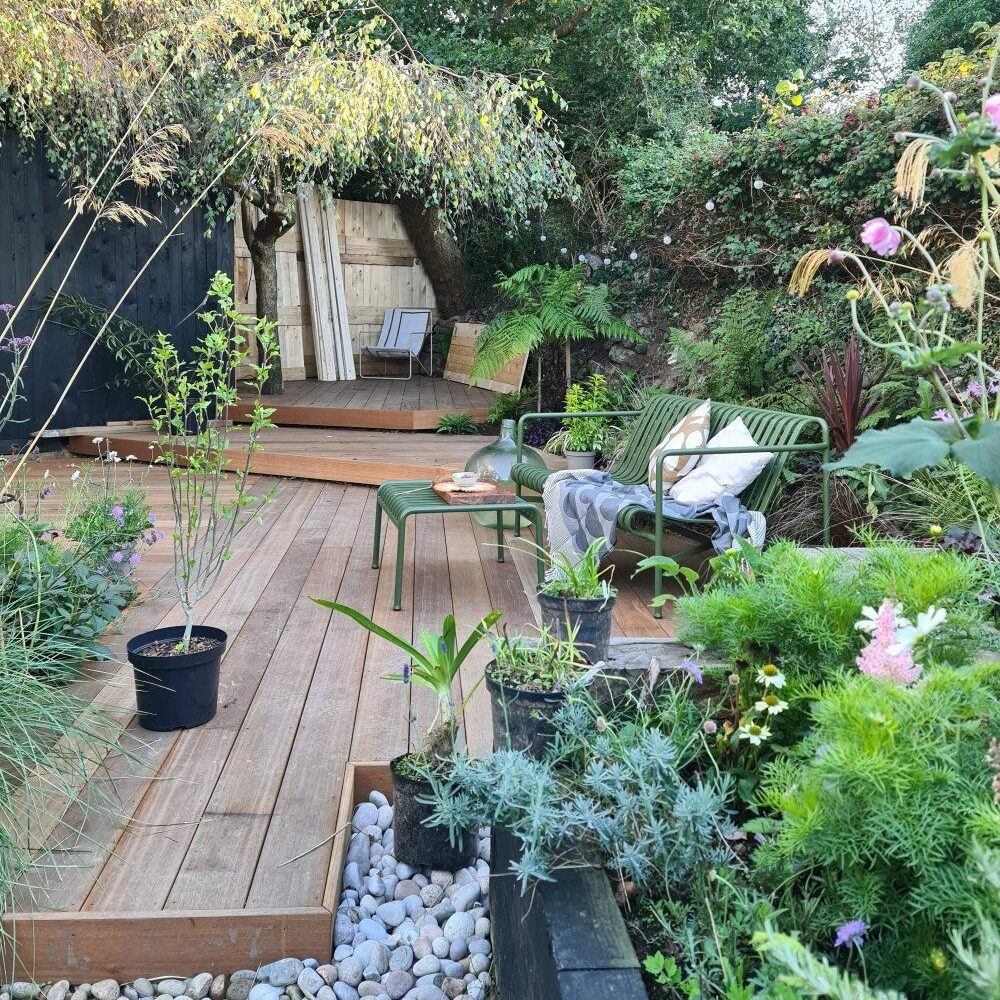
Hardwood decking is the most traditional and durable option for garden decking. They are made from tropical hardwoods such as Balau, Ipe or Teak and are incredibly strong and long-lasting. Hardwood decking has a natural beauty that can’t be replicated by other materials and can add value to your home. However, they are also one of the most expensive options and require regular maintenance to keep their appearance.
When considering hardwood decking, it’s important to note that not all hardwoods are created equal. Some are more durable than others and some require more maintenance. Balau is a popular choice due to its durability and resistance to rot and insect damage. Ipe is another popular option, known for its strength and natural beauty.
Softwood Decking
Softwood decking is made from faster-growing trees such as pine and spruce. They are a more affordable option than hardwood decking, but they are not as durable and require more frequent maintenance. Softwood decking is often treated with preservatives to protect against rot and insect damage.
While softwood decking may not be as durable as hardwood, it’s still a popular choice due to its affordability and versatility. It can be stained or painted to match any design aesthetic and can be a great option for those on a budget.
Composite Decking
Another popular option is composite decking, which is made from a combination of wood fibres and plastic. Composite decking is incredibly durable, low maintenance, and environmentally friendly. They are resistant to mould, mildew, and insect damage, making them a great option for those who want a low-maintenance deck.
Composite decking comes in a range of colours and finishes, making them a versatile option for any garden design. They can even be made to look like natural wood, without the maintenance requirements.
When choosing a decking material, it’s important to consider your budget, maintenance requirements, and design aesthetic. Each material has its own pros and cons, so it’s important to do your research and choose the option that works best for you.
How to Choose the Right Decking Material for Your Garden
When it comes to creating a beautiful outdoor space, choosing the right decking material is crucial. Not only does it affect the appearance of your garden, but it also determines the durability and maintenance requirements of your decking. Here are some factors to consider when choosing the right decking material for your garden:
Budget
The cost of decking varies greatly depending on the material used. Hardwood decking is the most expensive, while softwood and composite decking are more affordable options. However, it’s important to keep in mind that the initial cost isn’t the only factor to consider. Hardwood decking may require more maintenance and replacement over time, which can add up in costs.
Location
Where you live will play a role in the type of decking material you should choose. If you live in an area with high rainfall or humidity, then a weather-resistant material such as composite decking is the best option. Composite decking is made of a combination of wood fibres and recycled plastic, making it resistant to rot, mould, and insects. On the other hand, if you live in a sunny area, then hardwood decking may be the better option as it does not retain heat like composite decking. It’s important to consider the climate and weather patterns in your area when choosing the right decking material.
Maintenance
If you don’t have the time or inclination to constantly maintain your decking, then composite decking is the best option. It requires minimal maintenance and will last longer than hardwood or softwood decking. Composite decking is also resistant to fading, staining, and scratches, making it a low-maintenance option for busy homeowners. However, if you enjoy the natural look and feel of wood, then hardwood or softwood decking may be a better fit for you. Keep in mind that these materials will require regular cleaning, staining, and sealing to maintain their appearance and durability.
Overall, choosing the right decking material for your garden requires careful consideration of your budget, location, and maintenance preferences. By weighing these factors and doing your research, you can create a beautiful and functional outdoor space that will last for years to come.
Sustainable Decking Materials for Garden Use
For those who are concerned about the environmental impact of their garden decking, there are sustainable options available.
Bamboo Decking
Bamboo decking is a sustainable option as bamboo is a fast-growing plant and can be harvested without damaging the environment. It is durable and requires minimal maintenance.
Recycled Plastic Decking
Another sustainable option is recycled plastic decking, which is made from recycled plastic bottles and other materials. It is a low-maintenance option and does not require any staining or sealing.