Skip to content

Fencing, Information
Tools You Need to Install a Fence
Installing a fence around your property can help ensure privacy, security, and add aesthetic value to your home. However, to install a fence successfully, you need to have the right tools. In this article, we will discuss the planning and preparation tools, setting fence posts tools, and installing fence panels or rails tools you need to install a fence around your property.

Planning and Preparation Tools
Installing a fence requires careful planning and preparation. It is essential to have the right tools to ensure that your fence is installed correctly and looks great. Here are some of the tools you will need:
Measuring Tape
A measuring tape is a necessary tool for installing a fence correctly. You will need to measure the length and width of your property to determine the amount of fencing material you need. It is essential to measure accurately to avoid buying too much or too little material. A measuring tape can also be used to measure the distance between fence posts, ensuring that they are evenly spaced.

Level
A level is a tool used to determine if a surface is entirely vertical or horizontal. This tool is necessary to ensure that your fence is level and straight, making it look aesthetically pleasing. It is essential to use a level when installing fence posts to ensure that they are straight and level. A level can also be used to check the levelness of each fence panel, ensuring that your fence is uniform and visually appealing.

Stakes and String
Stakes and strings are used to mark where you want to install your fence. They are crucial in planning and preparation because they help you determine the exact location of every post and panel. Stakes are driven into the ground at each end of the fence line, and strings are tied between the stakes to mark the fence’s boundary. This process ensures that your fence is installed in a straight line and that each post is in the correct location.
Post Hole Digger
A post hole digger can be used to dig holes for your fence posts. This tool is designed to make digging holes easy and effective. It is helpful to use a post hole digger to ensure that your fence posts are installed deeply enough to support the weight of the fence. A post hole digger can also be used to dig holes for other outdoor projects, such as planting trees.

Shovel
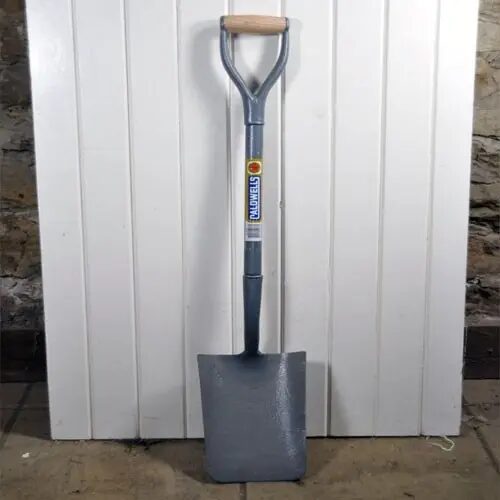
A shovel is essential for moving dirt out of the way when digging post holes. It also helps when backfilling holes with dirt and gravel. A shovel can also be used to level the ground before installing your fence, ensuring that the fence is installed on a flat surface. It is essential to use a shovel with a sturdy handle and a sharp blade to make digging and moving dirt easier.
Wheelbarrow
A wheelbarrow will help you move dirt and gravel around your property with ease. This tool is useful when moving large amounts of materials for your fence. It is essential to use a sturdy wheelbarrow with a large capacity to make moving materials easier and more efficient. A wheelbarrow can also be used for other outdoor projects, such as hauling firewood or moving garden supplies.

Setting Fence Posts
Setting fence posts is an important part of any fencing project. Whether you’re installing a new fence or replacing an old one, proper post installation is crucial to the success and longevity of your fence. In this guide, we’ll cover the tools and materials you’ll need to set your fence posts, including a concrete mix, a tamping bar and a post level.
Concrete Mix
When it comes to setting fence posts, you have two options: backfill with spoil or a concrete mix. Backfilling is cheaper than concrete, however if you live in an area with heavy wind or soil erosion, concrete mix may be a better option. Concrete mix is more durable and provides a stronger foundation for your fence posts.
Before you start setting your posts, make sure you have the right amount of spoil or concrete mix. You’ll need to calculate the amount based on the size and number of posts you’re installing. It’s always better to have too much than too little, so don’t be afraid to overestimate.
Tamping Bar
Once you’ve dug your post holes and added your spoil or concrete mix, it’s time to pack around the post. This is where a tamping bar comes in handy. A tamping bar is a long, heavy tool that you can use to pack the spoil or concrete around the post tightly. This helps in securing the post in place and ensures that it is level and stable.
When using a tamping bar, be sure to work in layers. Add a few inches of spoil or concrete at a time and tamp it down before adding more. This will ensure that the spoil or concrete is packed tightly and won’t settle over time.
Post Level
A post level is an essential tool for any fencing project. It’s designed to help you determine if the post is level or not. This tool ensures that your fence is straight and aesthetically pleasing. It’s important to use a post level on every post, even if it looks level to the naked eye.
When using a post level, place it on the side of the post and adjust the post until the bubble is centred. Then, move the level to the next side and repeat the process. Continue until all sides are level.
By using the right tools and materials, you can set your fence posts with confidence. Remember to take your time and double-check your work to ensure that your fence is sturdy and level.
Installing Fence Panels or Rails
Circular Saw or Handsaw
A circular saw or handsaw is useful when cutting fence panels to the appropriate size. This tool makes precise cuts to ensure that the panels fit snuggly into the posts.

Power Drill or Screwdriver
A power drill or screwdriver is essential when attaching fence panels to the posts. It makes the job easier, faster, and more efficient.
Hammer and Nails
A hammer and nails are used to attach fence rails to the posts. Make sure the nails you use are designed specifically for fencing to prevent rust, corrosion and are the right length.

Fence Pliers
Fence pliers can be used for removing any nails or staples that may be in your way.
Conclusion
In conclusion, installing a fence can be a daunting task, but having the right tools can make it easier and more efficient. After reading this article, you now know the planning and preparation tools, setting fence posts tools, and installing fence panels or rails tools you need to install a fence around your property. With these tools, you’ll save time, energy, and have a beautiful fence that enhances your property’s value and security.