Skip to content

Gate Guides
Gates for Footpaths through Private Land
Footpaths are an important part of our outdoor lives, and they play a significant role in promoting our physical and mental wellbeing. However, when footpaths cross private land, it is crucial to ensure that there is proper access for all users. Gates can be an essential component in providing such access, and they play a significant role in facilitating the opening and closing of a pathway. In this article, we will discuss the importance of gates for footpaths, the different types of gates available, and legal considerations when installing gates on private land.
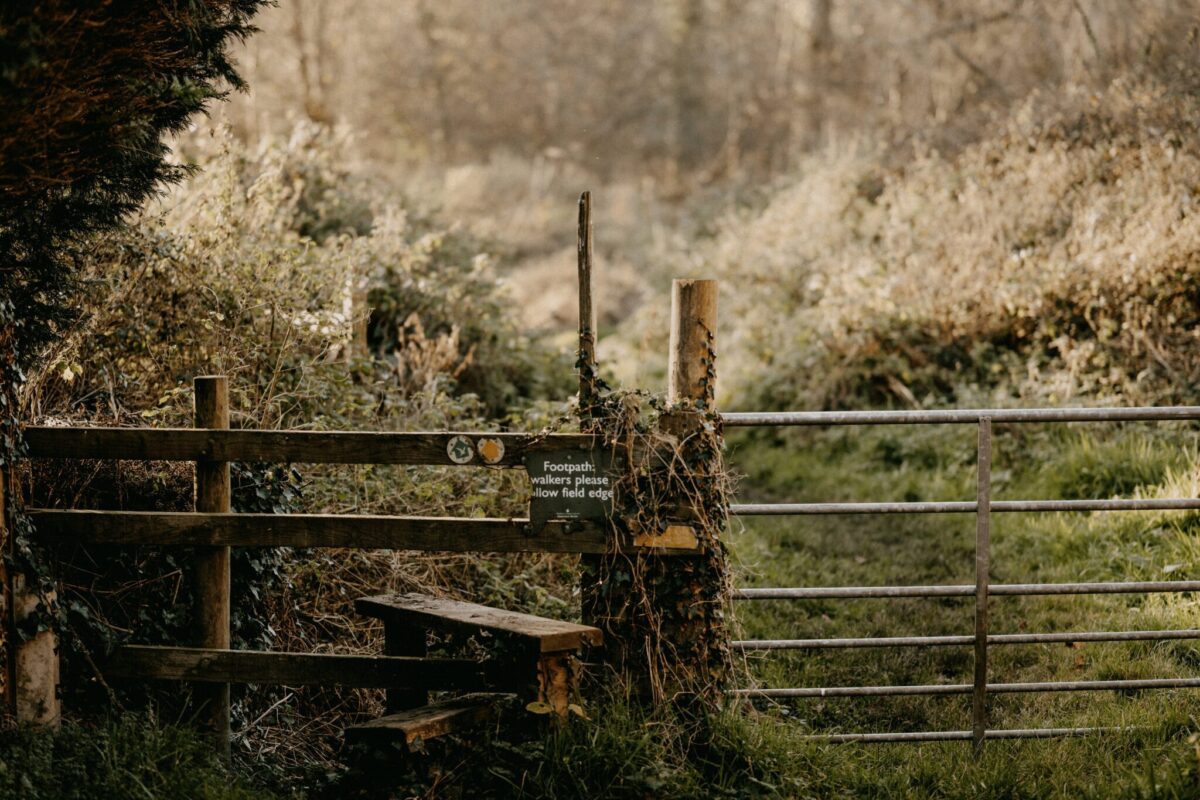
Types of gates for footpaths
When it comes to choosing a gate for a footpath, landowners have several options. The choice of gate will mainly depend on the terrain and the users’ needs. Here are some of the most common types of gates.
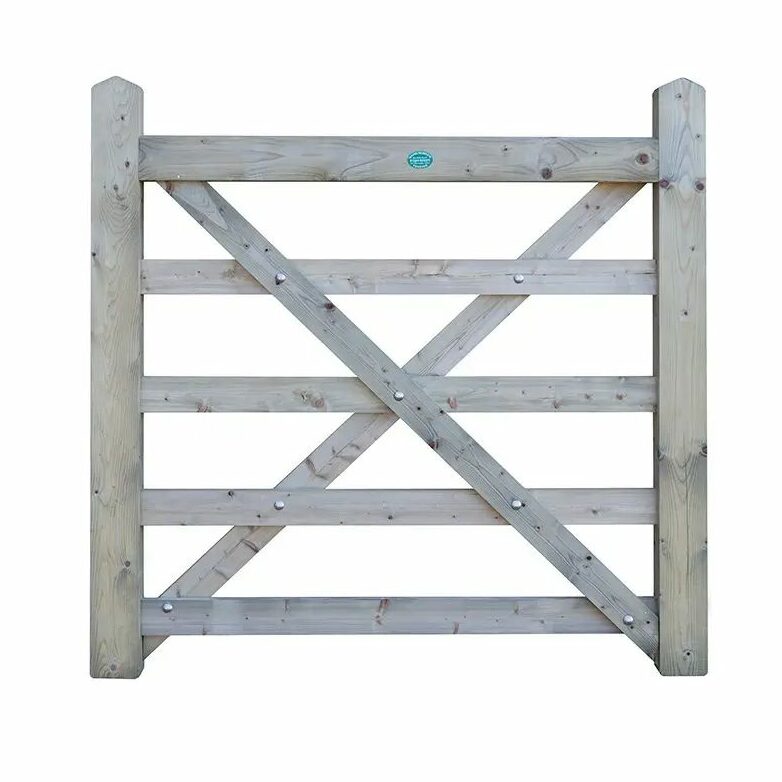
Traditional wooden gates
Wooden gates are the most popular type of gate for footpaths. They are aesthetically pleasing, and they blend in well with the surroundings. Wooden gates can be made from different types of wood, such as oak, pine, teak, or cedar. They can also be painted or stained to match the environment or the adjacent buildings on the land. However, wooden gates can require higher levels of maintenance, and they are not as durable as metal gates.
Metal gates
Metal gates are a more durable option for footpaths, and they tend to require less maintenance than wooden gates. They can be made from different types of metal, such as iron, aluminium, or steel. Metal gates are also more resistant to weather and vandalism, and they can provide more security if needed. However, metal gates can be more expensive than wooden gates, and they may not blend in as well with the natural surroundings.

Kissing gates
Kissing gates are a type of gate that hang on a central post and swings between two other posts. They are commonly used where there is not enough room for a full-size gate, or where livestock needs to be kept in a specific area. Kissing gates allow easy access for pedestrians while limiting the passage of large animals or vehicles.
Stiles and step-over gates
Stiles and step-over gates are another type of gate used in footpaths. They consist of a series of steps that create a barrier for livestock or vehicles while enabling pedestrians to cross easily. Stiles and step-over gates are typically made of wood or metal and are installed where there is limited space, or the ground is uneven and challenging to manoeuvre.
Accessible gates for wheelchairs and pushchairs
Providing equal access for all users is essential when designing footpaths and installing gates. Gates that are designed for wheelchairs and pushchairs are essential. These gates are wider than standard gates and can have an automatic opener or a touchpad sensor. Providing accessible gates is not only a requirement under the Disability Discrimination Act but is also a responsible approach to access provision in general.
Installation and maintenance of gates
After selecting the right type of gate, proper installation is critical. Here are some tips to help ensure the gate is installed correctly.
Choosing the right location
Before installing a gate, assess the area to find the best location. The position of the gate will depend on the route of the footpath, the terrain, and any potential obstacles. There may be a need to check whether any pipes or cables run underneath the chosen location. Such services must not be disturbed or damaged, so contacting the appropriate authorities is a must.
Proper installation techniques
Installing a gate properly is essential for its longevity and functionality. The gate must be level, sturdy, and secure. Proper installation techniques vary depending on the gate type, the terrain, and the gate post material. If in doubt, seek expert advice or consult an installation manual.
Regular maintenance and repairs
Maintenance is vital to keep gates functioning properly and prevent any unnecessary damage. Regular maintenance and inspections can identify any wear and tear, damage, or potential hazards. Repair any damage as soon as possible to prevent it escalating and causing more problems later on.
Weatherproofing and protection
Gates can be vulnerable to damage from weather, such as corrosion, rust, and rot. Therefore, it is vital to protect gates with the appropriate coatings or sealants. The level of protection depends on the weather conditions, gate material, and location. Regular cleaning and inspections are also necessary to maintain the gate’s appearance and function.
Legal considerations and rights of way
When it comes to installing gates on private land, landowners must consider the legal requirements and rights of the public.
Public rights of way and landowner responsibilities
Public rights of way are legal routes that the public can use for walking, cycling, or horse riding. Landowners have the legal obligation to keep these routes open and safe for the public to use. Gates provide access for the public, and it is crucial to install them securely and safely for all to use.
Ensuring accessibility for all users
The Equality Act 2010 introduced new obligations on service providers and landowners to ensure accessibility for disabled people. It is vital to provide accessible gates to enable all users to have equal access. Landowners should also be aware of any additional needs of the public, such as guide dogs, and ensure that the footpath and gates are designed with their needs in mind.
Dealing with disputes and boundary issues
Disputes and boundary issues can arise when installing gates on private land. Landowners should ensure that the gate and the surrounding area are on their land and seek appropriate legal advice if there are any boundary disputes. Landowners must also make sure that disputes over gate installation are dealt with effectively, and that any concerns from local residents are addressed properly.
Health and safety regulations
Footpaths and gate installations must comply with health and safety regulations and requirements. Landowners must ensure that the installation and maintenance of gates do not create any additional hazards or dangers. They should also provide clear signage and instructions for gate use and ensure that gates can be opened and closed safely.
Conclusion
Gates are an essential part of footpath access, and they must be designed and installed correctly to ensure safe and secure usage. The choice of gate depends on the terrain and users’ needs, and legal requirements must be met to provide access for all users. Proper installation techniques, regular maintenance and repairs, and weatherproofing are essential to keep gates functioning correctly. Legal considerations and health and safety regulations must be followed to prevent any potential hazards. Finally, ensuring equal accessibility for all users is essential to promote social inclusion and enable everyone to enjoy our countryside and outdoor spaces.