Skip to content

Information, Gate Guides
Cold Weather Care for Wooden Gates: Maintenance & Repair Tips

Wooden gates are a great addition to any property, offering privacy, security, and charm. However, as the temperature drops, winter weather can take its toll on timber. To keep your gates looking good and functioning well, a bit of seasonal maintenance is key. Here’s how to care for your wooden gates when the cold sets in.
1. Inspect for Damage Early
Before winter arrives, give your gate a thorough inspection. Check for any signs of damage, such as cracks, splinters, or loose joints. Cold weather can worsen existing issues—small cracks can expand in freezing temperatures, weakening the structure over time. If you spot any problems, deal with them straight away. Replace damaged boards and tighten any loose hardware to avoid bigger problems later.
2. Protect with a Quality Wood Treatment
Wood is porous, and when it absorbs moisture, it’s more likely to warp, swell, or rot. Applying a wood preservative or weatherproofing treatment before winter will protect your gate from the elements. Look for treatments specifically designed for cold and wet conditions. A good coat of water-repellent sealant can prevent rain, snow, and frost from seeping into the wood and causing damage.
-
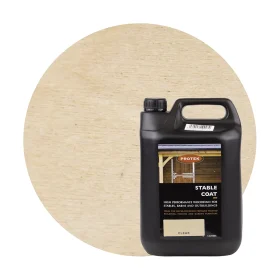 Protek 5Ltr Clear Stable Coat£34.03 Incl. VAT£28.36 Ex. VAT
 -
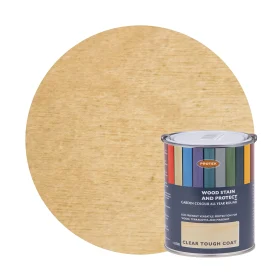 WP Clear Tough CoatPrice range: £12.49 through £38.04 Incl. VAT Price range: £10.41 through £31.70 Ex. VAT
 -
 Restol UV Extra Wood OilPrice range: £35.62 through £87.04 Incl. VAT Price range: £29.68 through £72.53 Ex. VAT
3. Lubricate Hinges & Hardware
Freezing temperatures can cause metal components, like hinges and latches, to stiffen and become difficult to move. This can put strain on your gate as you open and close it. To avoid this, apply a lubricant, such as silicone spray, to the hinges, screws, and latches. It helps prevent rust and ensures smooth operation even when it’s freezing outside.
-
 Pre-Packed Ring Gate Latch 6″Price range: £15.96 through £16.93 Incl. VAT Price range: £13.30 through £14.11 Ex. VAT
 -
 Pre-Packed Pair of Tee Hinges with FixingsPrice range: £3.66 through £14.28 Incl. VAT Price range: £3.05 through £11.90 Ex. VAT
 -
 400ML Pocket Rocket Penetrant Spray£3.84 Incl. VAT£3.20 Ex. VAT
4. Clear Snow & Ice Regularly
Heavy snow and ice can add significant weight to your wooden gate, which may lead to sagging or damage over time. Keep snow and ice off your gate as much as possible—shovel it off if necessary or gently tap ice to remove it. Clearing the area around your gate is equally important. Ice buildup on the ground can affect the opening and closing mechanism, making it hard to use.
-
 Rock Salt£6.96 Incl. VAT£5.80 Ex. VAT
 -
 Grain Shovel£37.52 Incl. VAT£31.27 Ex. VAT
5. Prevent Water Pooling
Water is one of the biggest threats to wooden gates, particularly in winter when it can freeze and expand. Ensure that water is draining away properly from the base of your gate. If your gate sits in a low area where water tends to pool, consider adding gravel or another form of drainage underneath it. This will prevent puddles from forming and freezing around your posts and gate, which could lead to rotting or swelling.
-
 Gravel 4-10mm Loose Tip
 -
 Gravel 4-10mm Dumpy Bag (Approx. 800kg)£53.86 Incl. VAT£44.88 Ex. VAT
 -
 Gravel 10-20mm Dumpy Bag (Approx. 800kg)£56.69 Incl. VAT£47.24 Ex. VAT
6. Monitor Gate Alignment
Cold weather, especially freezing and thawing cycles, can cause the ground to shift, affecting your gate’s alignment. This is especially true if the posts holding your gate aren’t set deep enough. Keep an eye on how your gate hangs during the winter. If it starts to sag or doesn’t close properly, you may need to adjust the hinges or even re-align the posts.
7. Check for Fungal Growth
Winter brings damp conditions, which create a perfect environment for mould and mildew. These fungi can break down wood over time and ruin the look of your gate. If you spot any, clean the area with a mild detergent and a soft brush. You can also apply a fungicidal wash to prevent further growth. Taking care of this quickly helps prolong the life of your gate.
Final Thoughts
Cold weather doesn’t have to mean the end of your wooden gate’s life—regular maintenance can keep it in top condition for years to come. By inspecting for damage, treating the wood, lubricating moving parts, and taking a few simple precautions, you’ll protect your investment from the winter elements and ensure it stays sturdy and functional all season long.
By following these tips, you’ll save yourself from costly repairs and keep your wooden gates looking their best all year round!