Skip to content

How to Guides, Fencing
Steps on How to Build a Paddock Fence

If you own horses or other livestock, you know how important it is to have a sturdy fence around your paddock. A good paddock fence will keep your animals safe and secure, while also keeping other animals out.
In this article, we’ll go over the steps you need to take when building a paddock fence, and we’ll also help you decide which kind of gate to buy.
Step 1: Plan Your Paddock Fence
Before you start building your paddock fence, you need to plan it out. Decide where you want your fence to go and how high you want it to be. You should also decide what kind of fence you want to build. There are many different types of fences to choose from, including wood, vinyl, and wire. Each type of fence has its own advantages and disadvantages, so you should do some research to find the one that’s right for you.
Step 2: Gather Your Materials
Once you have a plan for your paddock fence, you need to gather the materials you’ll need to build it. This will depend on the type of fence you’re building, but some common materials include fence posts, rails, wire or boards, and hardware like nails and screws.
Step 3: Dig the Post Holes
Depending on the installation method, the next step is to dig the post holes for your fence if you are going to set into concrete. You can also drive the posts straight into the ground if the post is suitable. The depth of the holes will depend on how high your fence will be and what kind of soil you have. As a general rule, the holes should be at least two feet (600mm) deep.
Step 4: Set the Posts
Once you’ve dug your post holes, it’s time to set the posts. Put a post in each hole and fill the hole with concrete. Make sure the post is level and plumb before the concrete sets.
Step 5: Install the Rails
Once the posts are set, it’s time to install the rails. This will depend on the type of fence you’re building, but in general, you’ll need to attach the rails to the posts using brackets or nails.
Step 6: Add the Wire or Boards
Finally, it’s time to add the wire or boards to your paddock fence. Again, this will depend on the type of fence you’re building. If you’re building a wire fence, you’ll need to attach the wire to the rails using staples or clips. If you’re building a board fence, you’ll need to attach the boards to the rails using nails or screws.
Choosing the Right Gate
Now that you’ve built your paddock fence, it’s time to choose the right gate. There are many different types of gates to choose from, including swing gates, sliding gates, and electric gates. Each type of gate has its own advantages and disadvantages, so you should do some research to find the one that’s right for you.
Factors to Consider
When choosing a gate, there are several factors you should consider. First, think about the size of your gate. You’ll want a gate that’s large enough to accommodate your animals and any equipment you may need to bring in or out of your paddock.
You should also consider the type of gate opener you want. If you have a large gate, you may want an electric gate opener to make it easier to open and close.
Finally, think about the material your gate is made from. You’ll want a gate that’s sturdy and durable, so it can withstand the wear and tear of daily use.
-
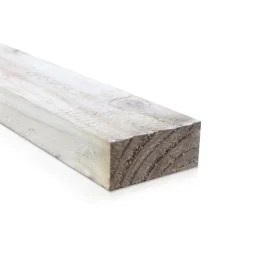 87mm x 38mm Rail Sawn (Treated)Price range: £3.85 through £6.76 Incl. VAT Price range: £3.21 through £5.63 Ex. VAT
 -
 100mm Machined Round Post Pointed UC4Price range: £8.46 through £16.20 Incl. VAT Price range: £7.05 through £13.50 Ex. VAT
 -
 Tornado R13/120/8 Horse Net HT X-KnotPrice range: £247.39 through £494.71 Incl. VAT Price range: £206.16 through £412.26 Ex. VAT
Conclusion
Building a paddock fence and choosing the right gate can seem like a daunting task, but with a little planning and preparation, it’s something anyone can do. By following these steps and considering the factors we’ve outlined, you’ll be well on your way to having a safe and secure paddock fence for your animals.
When it comes to choosing the right gate for your paddock, it’s important to know what options are available. Here are some of the most common types of field gates for paddocks:
- Swing Gates: These gates swing open and closed on hinges, much like a door. They’re a popular choice for smaller paddocks because they’re easy to install and operate.
- Sliding Gates: Sliding gates slide open and closed along a track. They’re a good choice for larger paddocks because they take up less space than swing gates.
- Electric Gates: Electric gates can be either swing or sliding gates, but they’re operated by an electric motor rather than being opened manually. They’re a great option if you have a large gate that would be difficult to open and close by hand.
- Mesh Gates: Mesh gates are made from wire mesh and are typically used in conjunction with other types of fencing. They allow you to control access to your paddock.
Each type of gate has its own advantages and disadvantages, so it’s important to consider your specific needs when choosing the right one for your paddock.