Skip to content

Garden
Preparing Your Garden for Winter: 6 Essential Landscaping Tips

As the nights draw in and the temperature starts to dip, it’s time to start thinking about how best to protect your garden from winter’s chill. Frost, freezing temperatures, and wind can wreak havoc on your plants, soil, and even your garden’s structural elements like timber fencing. However, with a few simple steps, you can help your garden weather the colder months and emerge healthy and strong in spring.
Here, we’ll cover essential winter landscaping tips—from mulching your soil to selecting winter-resistant fencing materials and safeguarding delicate plants and structures. Let’s dive into some practical advice to help you get started.
1. Mulching Your Soil
Mulching is one of the best ways to protect your garden from frost and freezing temperatures. A thick layer of organic mulch can help insulate your soil, preventing it from drying out and freezing solid. It can also help regulate the soil’s temperature and retain moisture, providing your plants with a more stable environment, a useful landscaping tip.
Why mulch in winter?
Insulation: Mulch acts as a barrier between the cold air and your soil, helping to keep it warm and prevent frost heave (when soil freezes and expands, causing plants to be pushed out of the ground).
Moisture retention: Winter winds can dry out exposed soil, but mulch helps retain moisture and protects the root systems of your plants.
Weed control: Mulching during winter helps suppress weeds that might otherwise compete with your plants for nutrients in early spring.
For winter, opt for mulches like wood chips, bark, straw, or compost. Spread it evenly around the base of your plants, being careful not to pile it up directly against stems or trunks, which can cause rot.
-
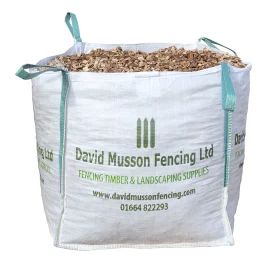 Landscaping Woodchip Dumpy Bag (600 litre)£64.56 Incl. VAT£53.80 Ex. VAT
 -
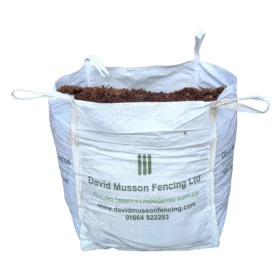 Wood Mulch Dumpy Bag (600 litre)£27.29 Incl. VAT£22.74 Ex. VAT
2. Covering Delicate Plants
Some plants simply aren’t built for the cold, and winter can be a tough test for more tender species. To prevent frost damage, you’ll want to cover these plants with materials designed to shield them from frost and biting winds, one of our useful landscaping tips.
What can you use to cover plants?
Horticultural fleece: Lightweight and breathable, horticultural fleece is ideal for wrapping around delicate plants to protect them from frost. It’s easy to use and can be secured with twine or clips.
Cloches or cold frames: For smaller plants or individual specimens, cloches (small protective covers) or cold frames (mini greenhouses) offer excellent protection from frost. These structures trap heat during the day and provide shelter at night.
Hessian or old bedsheets: For a more budget-friendly option, hessian sacks or old bedsheets can be draped over plants on especially cold nights. Just make sure they don’t sit too tightly against the plant to allow for air circulation.
Make sure to cover plants before nightfall, as frost tends to settle in the early hours of the morning. Remove coverings during the day when temperatures rise to avoid overheating your plants. Implementing landscaping tips like this will ensure you give your plants the best chance of surviving through the winter.
3. Choosing Winter-Resistant Fencing Materials
When it comes to fencing, winter’s wet and windy conditions can cause serious damage—especially if your fence is made of subpar materials. Opting for winter-resistant fencing materials is one of our landscaping tips that can save you a lot of trouble (and cost) when spring arrives.
Winter-resistant fencing options:
Pressure-treated timber: Timber fences are popular for their natural look, but not all types of wood are created equal. Pressure-treated timber is specially prepared to resist moisture, rot, and insect damage, making it a durable choice for winter months.
Metal fencing: Galvanised steel or aluminium fences are excellent alternatives to wood if you’re looking for durability. They’re naturally resistant to rust and weathering, making them ideal for standing up to winter’s elements.
Composite fencing: A blend of wood fibres and plastic, composite fencing combines the appearance of timber with the durability of synthetic materials. It’s weather-resistant and requires very little maintenance.
If you already have a timber fence, now’s the time to assess its condition and make sure it’s ready for winter. Let’s look at how to protect your timber fencing from winter’s challenges.
-
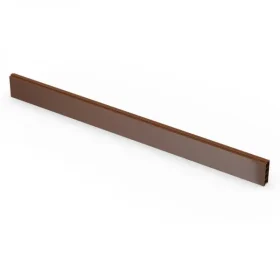 DuraPost Composite Gravel Board 1.83m x 150mm x 48mm£26.48 Incl. VAT£22.07 Ex. VAT
 -
 DuraPost Classic PostPrice range: £22.42 through £52.32 Incl. VAT Price range: £18.68 through £43.60 Ex. VAT
4. Protecting Timber Fencing and Structures
Timber fencing and garden structures, such as pergolas and sheds, can suffer during the winter if left exposed to the elements. Moisture can seep into wood, causing rot, swelling, and warping. But with a little preparation with this landscaping tip, you can prolong the life of your timber and ensure it stays strong.
Key landscaping tips for protecting timber:
Apply a wood preservative: Before winter sets in, coat your timber fencing and structures with a wood preservative. This helps to seal the wood and prevent moisture from seeping in. Make sure to cover all surfaces, including areas near the ground where rot can take hold.
Paint or stain your timber: If your fencing is looking a bit worse for wear, a fresh coat of paint or stain can do wonders. Not only will it enhance the appearance, but it also provides an additional layer of protection from rain, frost, and UV rays.
Check for repairs: Look for loose or damaged boards, nails, or screws. Tighten or replace these as necessary to prevent further damage during winter’s high winds, heavy rains, snow and frost.
Keep timber dry: Clear away any vegetation or soil that’s touching your timber fencing or garden structures. Moisture build-up at the base of timber can lead to rot, so ensuring proper airflow around the base of your structures is key to prolonging their life, another useful landscaping tip.
-
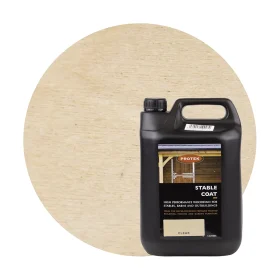 Protek 5Ltr Clear Stable Coat£34.03 Incl. VAT£28.36 Ex. VAT
 -
 5Ltr Cedar Shed & Fence Paint£12.70 Incl. VAT£10.58 Ex. VAT
 -
 Restol UV Extra Wood OilPrice range: £35.62 through £87.04 Incl. VAT Price range: £29.68 through £72.53 Ex. VAT
5. Protecting Garden Features from Frost
Aside from plants and fences, winter weather can take its toll on other garden features like paths, patios, and water features. Ice and frost can cause cracks, so preparing these areas is another one of our key landscaping tips.
How to protect garden features:
Cover water features: If you have a pond or fountain, drain it and cover it for the winter to avoid ice damage. For ponds with fish, consider installing a pond heater or using a floating de-icer to prevent the water from freezing solid.
Inspect hardscaping: Frost and ice can cause cracks in paving stones and concrete. Check for any small cracks now and fill them in to prevent them from expanding when water freezes inside them.
Store garden furniture: Metal and plastic furniture can become brittle in freezing temperatures, and wooden furniture can rot if left exposed. Store garden furniture indoors or cover it with waterproof covers to protect it from the elements, a simple landscaping tip that will prolong the life of your garden furniture.
6. General Maintenance Landscaping Tips
Winter proofing your garden doesn’t just mean covering up plants and repairing fences. There are other simple maintenance tasks that can help protect your garden from the worst of winter. Completing this landscaping tip will give you a head start on beating the winter weather.
Clean and store tools: Give your garden tools a good clean before storing them away for the season. This helps to prevent rust and damage, so they’re ready to go when you need them in spring.
Prune dead branches: If you have trees or shrubs in your garden, prune any dead or weak branches before winter. Heavy snowfall can break these branches, which could cause damage to your plants or garden structures.
By taking these landscaping tips, you’ll protect your garden from the harsh winter months and ensure it’s ready to thrive come spring. Whether it’s mulching your soil, wrapping up delicate plants, or safeguarding timber fencing, a bit of preparation goes a long way in keeping your outdoor space in top condition.