Skip to content

Information, Garden
3 Timber Structures for the Winter Garden: Building Shelters and Storage Solutions

When the colder months roll around, timber structures like garden sheds, log stores, and greenhouses offer practical storage and shelter, helping to protect both your tools and your plants during winter. But it’s not just about putting these structures up—it’s about making sure they can withstand the elements. Here’s a handy guide on building timber garden structures and the treatments you need to weatherproof them.
Building a Timber Garden Shed
A garden shed is one of the most versatile timber structures you can add to your garden. Whether you’re storing tools, keeping equipment dry, or even setting up a small workspace, a well-built timber shed is an ideal solution.
Choosing the right timber is the first step. Opt for durable pressure-treated timber, which naturally resists decay and pests. Once you’ve selected the materials, make sure the base of your shed is solid. You want a level, stable foundation, usually made of concrete or paving slabs. This will keep your timber shed off the ground, reducing the risk of moisture damage. Timber battens and carcassing can be a good choice for your structural frame. Cladding options can be featheredge boarding or shiplap and log lap boarding.
Adding vents in the roof or sides of the shed will prevent condensation, which can lead to mould and wood rot.
-
 120mm x 12mm Treated ShiplapPrice range: £4.03 through £8.12 Incl. VAT Price range: £3.36 through £6.77 Ex. VAT
 -
 3.6m x 50mm x 47mm Sawn (Treated)£4.15 Incl. VAT£3.46 Ex. VAT
 -
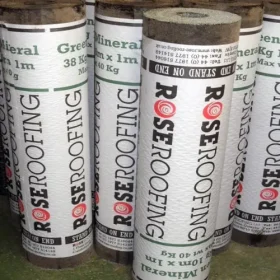 38KG Green Mineral Roof Felt 10m x 1m£54.50 Incl. VAT£45.42 Ex. VAT
Constructing a Log Store
If you’re using wood burners or open fires to heat your house, you’ll need a place to store your logs and keep them dry. A log store keeps firewood in good condition, making it ready to burn throughout the colder months.
The key to a good log store design is airflow. The sides of the store should be slatted to allow wind to circulate, while the roof should provide plenty of coverage to keep rain off. Choosing pressure treated timber, for example sized 75mm x 22mm is a good choice for strength and allow air to flow through and dry logs. Raising the store off the ground on bricks or sleepers will help to avoid damp seeping into the logs.
-
 75mm x 22mm Sawn (Treated)Price range: £1.88 through £3.79 Incl. VAT Price range: £1.57 through £3.16 Ex. VAT
 - 38KG Green Mineral Roof Felt 10m x 1m£54.50 Incl. VAT£45.42 Ex. VAT
Building a Timber Greenhouse
A timber-framed greenhouse combines functionality with natural aesthetics. Greenhouses protect delicate plants from frost and extend the growing season, and with timber, you get a structure that blends beautifully with your garden, whilst also being a natural insulator.
When building a timber greenhouse, use treated wood for the frame to protect it from moisture. Cedar is a popular choice as it’s naturally weather resistant. As for the panels, glass is traditional, but polycarbonate sheets are a lighter, shatterproof option.
Make sure the greenhouse is properly sealed, especially around windows and doors. Draughts can reduce the effectiveness of the greenhouse, making it harder to keep plants warm during colder spells.
Weatherproofing Timber Structures
No matter which timber structures you’re building, weatherproofing is key to ensuring it lasts through the winter. Timber naturally weathers over time, so it’s important to treat it with products that protect against moisture, UV damage, and pests.
Wood Preservatives
A good wood preservative should be the first step in treating your timber structures. These treatments are absorbed into the wood, protecting it from insects and fungal decay. Look for ones that are solvent-based for deeper penetration into the timber. Apply it before assembling your structure to cover every corner.
Wood Stains and Sealants
Wood stains not only enhance the natural colour of your timber structures, but they also act as an extra layer of protection. For outdoor structures, opt for stains that offer UV protection—these will stop the wood from greying over time.
Sealants are designed to lock out moisture and should be applied after staining. Clear sealants can be used if you want to maintain the natural look of the wood, while pigmented sealants give you a bit of colour alongside the protection.
If you have cut your timber to fit a certain measurement or shape, it is also advised to treat the exposed area that has been cut with an end seal. This will seal the area and keep moisture out of the timber.
Paints
For maximum protection, you might consider painting your timber structures. Exterior paints provide a durable, waterproof finish that seals the wood completely. Be sure to use a primer designed for timber, followed by a topcoat in your chosen colour. Keep in mind that while paints offer excellent protection, they will obscure the natural grain of the wood, so choose this option if you’re more focused on durability than aesthetics.
-
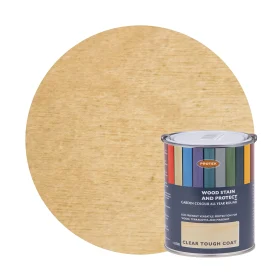 WP Clear Tough CoatPrice range: £12.49 through £38.04 Incl. VAT Price range: £10.41 through £31.70 Ex. VAT
 -
 5Ltr Cedar Shed & Fence Paint£12.70 Incl. VAT£10.58 Ex. VAT
 -
 Restol UV Extra Wood OilPrice range: £35.62 through £87.04 Incl. VAT Price range: £29.68 through £72.53 Ex. VAT
Maintaining Your Timber Structures
Even with the best treatments, timber structures will need some upkeep to stay in tip-top condition. Regularly check for signs of wear, such as peeling paint, cracks in the wood, or areas where water might be pooling. Reapplying treatments every couple of years will extend the life of your shed, log store, or greenhouse and keep them looking fresh.
By choosing the right timber and applying appropriate weatherproofing treatments, you can build sturdy, long-lasting garden sheds, log stores, and greenhouses that will stand up to winter weather. These structures aren’t just practical—they enhance your garden, providing essential protection for your tools and plants year-round.