Skip to content

Fencing, Information
Our Guide to Post and Rail Fencing
Post and rail fencing is a classic and timeless way to enhance your property’s aesthetic and improve your property’s safety. Not only does it provide a boundary for your property, but it also creates a rustic and charming appeal that can increase your home’s value. Whether you are using it to fence in livestock or define the perimeter of your home, post and rail fencing is a popular choice for many homeowners. In this article, we will guide you through everything you need to know about post and rail fencing, including design ideas, materials and tools, installation steps, and maintenance.

Enhancing Your Property with Post and Rail Fencing
Post and rail fencing can do wonders for your property. It is more than just a boundary marker; it can add character and charm to your home. The natural and rustic look of post and rail fencing can complement the beauty of your landscape and create a warm and inviting atmosphere.
One of the many benefits of post and rail fencing is its versatility. It can be used in a variety of settings and can be customised to suit your needs. Whether you have a large farm or a small backyard, post and rail fencing can be tailored to fit your property perfectly.
Another advantage of post and rail fencing is that it can add value to your property. It is a popular choice among homeowners and potential buyers may appreciate the aesthetic appeal and practicality it brings. In addition, post and rail fencing is durable and low-maintenance, which can be a selling point for those looking for a long-term investment.
Good for Safety and Security
Post and rail fencing can also provide an added layer of safety and security to your property. It can help keep unwanted trespassers out and prevent wandering animals from entering your premises. It can also serve as a barrier against debris from nearby roads, protecting your property from damage.
Furthermore, post and rail fencing can be a great way to showcase your property. It can be painted or stained to match the colour of your home or to create a unique look that sets your property apart. You can also use it to display your favourite plants and flowers, adding a touch of beauty and elegance to your property.
Overall, post and rail fencing is an excellent investment for any property owner. It is a practical, versatile, and attractive addition that can enhance the beauty and value of your home or farm. So, if you’re looking for a way to improve your property, consider post and rail fencing as a viable option.
Design Options for Post and Rail Fencing
When it comes to post and rail fencing, there are many design options to choose from. One popular design is the traditional look, which incorporates natural wooden posts with two, three or four wooden rails. This classic and charming design can add a touch of elegance to any property.
For those looking for a more modern look, clean and straight-lined wood, metal, or vinyl posts and rails can be used to create a sleek and contemporary vibe. This design is perfect for those who want a fence that is both functional and aesthetically pleasing.
If you’re looking for a fence with a more rustic feel, natural and unpainted wooden posts and rails can be used to create a country-style look.
For those with a paddock or pasture, a functional and durable fence is a must. Wooden rails and posts can be used to create a paddock fence that is both sturdy and aesthetically pleasing. Adding wire netting on the bottom rail can provide added security for smaller animals.
No matter what your style or purpose, there is a post and rail fence design that will suit your needs. So why not add a touch of charm and elegance to your property with a beautiful post and rail fence?
Materials and Tools Needed for Post and Rail Fencing
Post and rail fencing is a classic and timeless style that can add charm and functionality to your property. Before you start building a post and rail fence, you need to gather materials and tools. Here is a list of what you need:
- Wooden posts and rails: The number of posts and rails you need will depend on the length and height of your fence. It’s important to choose high-quality, pressure-treated wood that can withstand the elements and last for many years.
- Excavated material: You’ll need this to fill the post holes, which will help to anchor the posts and prevent them from shifting over time. Make sure to use enough gravel to provide a stable base for the fence.
- Concrete mix: This is used to secure the posts in place and ensure that they remain upright and stable. You can mix the concrete yourself or use pre-mixed bags, depending on your preference.
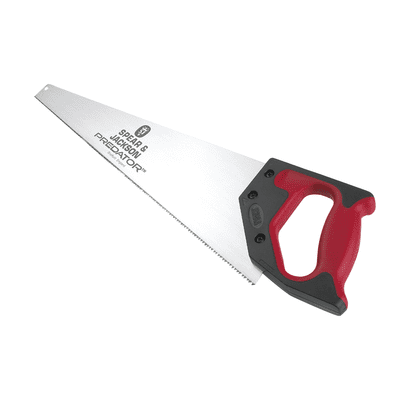
- Hand saw or jigsaw: You’ll need a saw to cut the wood to the right size and shape. A hand saw is a good option for smaller jobs, while a jigsaw can make quick work of cutting curved or angled pieces.
- Hammer or nail gun: To attach the rails to the posts, you’ll need either a hammer and nails or a nail gun. A nail gun can save you time and effort, but a hammer and nails can be more cost-effective.
- Tape measure: To ensure that the fence is in the right position and the posts are spaced evenly, you’ll need a tape measure. This will help you to measure the distance between posts and ensure that everything is lined up correctly.
- Spirit Level: A spirit level is an essential tool for any fencing project. It will help you to ensure that the posts and rails are straight and level, which is crucial for the fence’s stability and appearance.

By preparing all the necessary materials and tools in advance, you can streamline the installation process and avoid any frustration and delays. Once you have everything you need, you can start building your post and rail fence, knowing that you have everything under control.
Aesthetic Considerations
One thing to keep in mind when building a post and rail fence is that it’s important to choose the right style and design for your property. For example, if you have a large, open field, a traditional three or four rail fence may be the best option. However, if you have a smaller yard or want to create a more decorative look, you may want to consider a split-rail fence or a fence with decorative posts and caps.
Another important consideration is the spacing between posts and rails. Generally, you’ll want to space the posts about 6 feet apart and the rails about 10-12 inches apart. However, this can vary depending on the height of the fence and the type of wood you’re using.
Overall, building a post and rail fence can be a rewarding and satisfying project that can add value and beauty to your property. With the right materials, tools, and design, you can create a fence that will last for many years and provide a functional and attractive barrier for your property.
Steps to Installing Post and Rail Fencing
Installing post and rail fencing is a relatively straightforward process, but it does require some time and effort. Here are the general steps:
- Mark the boundaries of your fence.
- Dig the post holes using a post hole digger or auger.
- Insert the wooden posts into the holes and secure them in place using concrete mix or the excavated material.
- Attach the rails to the posts using nails or screws.
- Repeat this process for every section of your fence.
Ensure you have a spirit level on hand to ensure that the posts and rails are straight and level. Different types of post and rail fences may have specific installation techniques that you should follow. In general, it’s best to follow the manufacturer’s instructions.
Before you start the installation process, it’s important to choose the right type of wood for your fence. Cedar and redwood are popular choices because they are naturally resistant to rot and decay. Pressure-treated timber is also a good option because it is treated with chemicals to resist rot and decay.
Installation Process
When marking the boundaries of your fence, it’s important to make sure you are following local authority regulations. You may need to obtain a permit before installing your fence, especially if it’s a large fence or if you live in a historic district.
When digging the post holes, it’s important to make sure they are deep enough to support the weight of the fence. A general rule of thumb is to dig the holes at least 2 feet deep.
When inserting the wooden posts into the holes, it’s important to make sure they are straight and level. You can use a spirit level to ensure that the posts are plumb (straight up and down) and level (even with the ground).
Once the posts are in place, you can mix the concrete according to the manufacturer’s instructions and pour it into the holes. Make sure the concrete is level with the ground and let it dry for at least 24 hours before attaching the rails to the posts.
Installation Process: Attaching the Rails
When attaching the rails to the posts, it’s important to use nails or screws that are long enough to securely hold the rails in place. Make sure the rails are evenly spaced and level.
After you have installed all the sections of your fence, it’s important to inspect it to make sure everything is secure and level. You may need to make adjustments to the posts or rails to ensure that the fence is stable.
Overall, installing post and rail fencing can be a rewarding DIY project that can add beauty and value to your property. With the right tools and materials, and by following these general steps, you can have a beautiful and functional fence in no time.
Maintaining Your Post and Rail Fencing
Post and rail fencing is a classic and timeless way to enclose your property. Whether you use it to keep livestock or simply to add aesthetic appeal to your garden, it’s important to properly maintain your fence to ensure its longevity. Here are some tips for proper maintenance:
First and foremost, it’s important to regularly inspect your fence for any damage. This can include broken or splintered posts, cracked or warped rails, or loose hardware. If you notice any issues, it’s important to address them promptly to prevent further damage to the fence and ensure the safety of any animals or people nearby.
In addition to addressing any damage, it’s also important to protect your fence from the elements. Painting or staining your fence can help to prevent rotting and weather damage. This is especially important if you live in an area with harsh weather conditions, such as extreme heat or cold, heavy rain, or snow.
Another important aspect of maintaining your post and rail fence is keeping the area around it clear of any grass or plants. Overgrowth can cause damage to the fence and also create a breeding ground for mould and other harmful organisms. Regularly trimming any grass or plants growing too close to the fence can help to prevent these issues.
Keep it Clean
Finally, it’s important to keep your fence clean. Dirt and debris can accumulate on the fence over time, which can lead to discolouration and even damage. Using a power washer or hose to clean the fence can help to remove any dirt and debris and keep your fence looking as good as new.
By following these maintenance tips, you can prolong your fence’s lifespan and keep it looking great for many years to come. With a little bit of effort, you can ensure that your post and rail fence remains a beautiful and functional addition to your property.
Conclusion
Post and rail fencing is a charming and practical way to enhance your property’s safety, aesthetic appeal, and overall value. With the right materials, tools, and design ideas, a post and rail fence can increase your homestead’s rustic charm while defining its boundaries. Installing and maintaining a post and rail fence may require time and effort, but with patience and care, you can enjoy a beautiful and practical fence for many years.