Skip to content

Information, Home Tips
How to Install Garden Decking
Installing garden decking is a great way to enhance your outdoor living space. A well-built deck can provide a beautiful and functional area for relaxing, entertaining, and enjoying the outdoors. Here’s how to install your own garden decking:
Choosing the right decking material
Before you begin, it’s important to understand your decking material options. Each material has its own unique set of pros and cons. Here are some of the main options:
Wood decking options
Wood decking is a classic choice that offers natural beauty and good looks. Popular wood decking choices include cedar, redwood, and pressure-treated pine. Wood decks require regular maintenance to prevent cracking, warping, and rotting.
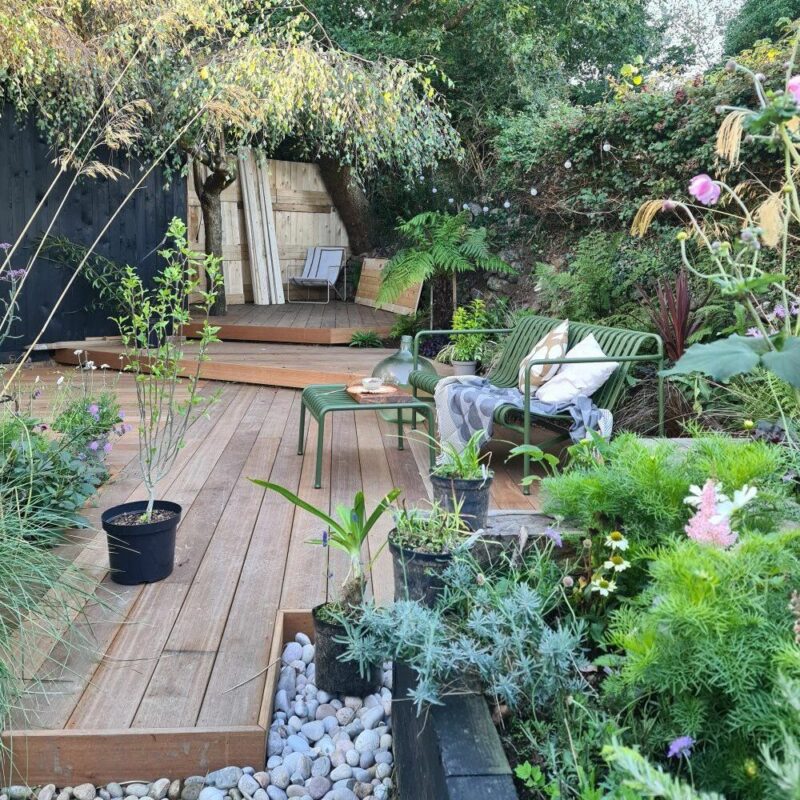
However, wood decking can provide a warm and inviting feel to your outdoor space. It’s a great option for those who enjoy the look and feel of natural wood. Cedar and redwood are known for their durability and resistance to insects and rot. Pressure-treated pine is a more affordable option that can last for many years with proper maintenance.
Composite decking options
Composite decking is made from a combination of wood fibres and plastic. This type of decking is low-maintenance and doesn’t require regular sealing or staining like wood. However, composite decking can be more expensive than wood and may not have the same natural appearance.
On the other hand, composite decking is highly resistant to fading, stains, and scratches. It’s a great option for those who want a low-maintenance deck that still looks great. Composite decking is also available in a wide range of colours and styles, so you can find the perfect match for your home’s exterior.
PVC decking options
PVC decking is made from rigid plastic and is highly resistant to moisture, stains, and fading. PVC decking doesn’t require any sealing or staining and can provide a durable and long-lasting deck. However, PVC decking can be more expensive than other materials and may have a less natural appearance.
PVC decking is a great option for those who want a deck that requires little to no maintenance. It’s also highly resistant to mould and mildew, making it a good choice for humid climates. PVC decking is available in a variety of colours and styles, so you can find the perfect match for your home’s exterior.
Ultimately, the right decking material for you will depend on your budget, maintenance preferences, and desired look and feel. Consider all of your options carefully before making a decision, and don’t be afraid to consult with a professional to ensure that you choose the best material for your needs.
Planning your deck layout
Building a deck is a great way to add value to your home and create an outdoor living space that you can enjoy for years to come. However, before you can start building, you need to plan out your deck layout. Here are the steps involved:
Measuring your space
The first step in planning your deck layout is to measure the available space. Use a tape measure to determine the length and width of the area where you want to build your deck. It’s important to measure accurately, as this will determine the size and shape of your deck.

When measuring your space, be sure to take into account any existing features that could impact your deck layout. For example, if you have a large tree or other feature that you want to preserve, you’ll need to design your deck around it.
Determining deck shape and size
Once you have measured your space, you can decide on the shape and size of your deck. Consider whether you want a rectangular or curved deck, and decide on the dimensions you want to use. Keep in mind that the size and shape of your deck will impact the overall look and feel of your outdoor living space.
When deciding on the shape and size of your deck, think about how you plan to use the space. If you want to entertain guests, you may want a larger deck with multiple seating areas. If you plan to use your deck for relaxation and quiet time, a smaller deck may be more appropriate.
Accounting for obstacles and features
Finally, when planning your deck layout, consider any obstacles or features that could impact your design. For example, if you have a sloping yard, you may need to build a multi-level deck to accommodate the slope. Or if you have a pool or hot tub, you’ll need to design your deck around it.
When designing your deck, don’t forget to take into account any safety features you may need. For example, if you have small children or pets, you may want to include a railing or other safety features to prevent falls.
By taking the time to plan out your deck layout, you can create an outdoor living space that is both beautiful and functional. So grab your tape measure and start measuring your space today!
Preparing the ground
Before you can start building your deck, you’ll need to prepare the ground. Here’s how:
Clearing the area
Remove any plants, bushes, or debris from the area where you want to build your deck. This will help ensure a level surface for your deck.
Levelling the ground
Use a shovel to level the ground where your deck will be located. Remove any high spots and fill in any low areas with soil.
Installing a weed barrier
Lay a weed barrier over the surface of the ground to help prevent weeds and other plants from growing up through your deck.
Building the deck frame
Now that your ground is prepared, it’s time to start building your deck. Here’s how to do it:
Setting the posts
Using a post hole digger or shovel, dig holes for the deck posts. The depth of these holes will depend on the height of your deck. Once you’ve dug the holes, set the posts into the holes by either packing soil tightly around the base of each post or use fast setting concrete post mix.
Installing the beams
Next, install the beams that will support the deck joists. To do this, nail or screw the beams into place on top of the posts.
Attaching the joists
Finally, install the deck joists by attaching them to the beams. If your deck is large, you may need to add additional posts and beams for support. Once your joists are in place, your deck is ready for decking boards to be laid.
With these steps completed, your garden decking is now ready to be enjoyed! Whether you prefer wood, composite, or PVC decking, or whether you opt for a rectangular or curved shape, your new deck will soon be the perfect space for entertaining and relaxing in your outdoor living area.