Skip to content

Information
10 Major Differences Between Land Drainage & Twin Wall

When it comes to managing water on agricultural or construction sites, the right piping can make all the difference. Land drainage pipes and twin wall pipes are two popular options, each with its own strengths and ideal applications. Understanding the differences, uses, and best features of both can help you choose the right solution for your needs.
What is Land Drainage Pipe?
Land drainage pipes are designed to collect and transport surface water and groundwater away from specific areas to prevent waterlogging and soil erosion. These pipes are typically perforated, allowing water to enter and be redirected to a designated drainage point. They are most commonly used in agricultural fields, sports grounds, and residential gardens.
-
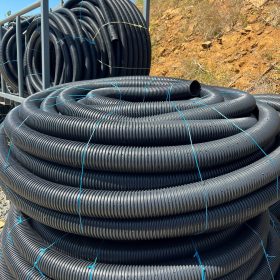 Land Drainage Pipe 110mm (97mm Internal)Price range: £100.80 through £186.37 Incl. VAT Price range: £84.00 through £155.31 Ex. VAT
 -
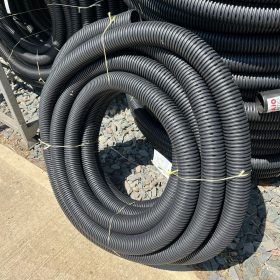 Land Drainage Pipe 80mmPrice range: £35.22 through £125.52 Incl. VAT Price range: £29.35 through £104.60 Ex. VAT
 -
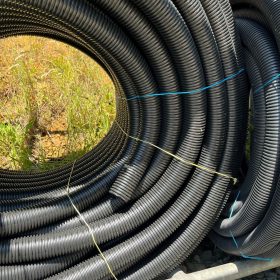 Land Drainage Pipe 60mmPrice range: £28.54 through £152.15 Incl. VAT Price range: £23.78 through £126.79 Ex. VAT
Uses of Land Drainage Pipe:
- Agricultural Fields: Prevents waterlogging, improves soil structure, and promotes healthier crop growth.
- Sports Grounds: Ensures playing surfaces remain dry and safe for use.
- Gardens: Helps to manage excess water, protecting plants and structures from water damage.
- Construction Sites: Manages water to maintain stable ground conditions.
Best Features of Land Drainage Pipe:
- Flexibility: Often made from plastic, making them easy to install in various soil types and terrains.
- Perforation: Allows for efficient water collection and redirection.
- Cost-effective: Generally more affordable than twin wall pipes, making them a popular choice for large-scale projects.
- Variety of Sizes: Available in different diameters to suit various drainage needs.

What is Twin Wall Pipe?
Twin wall pipes are robust, durable pipes featuring a smooth inner wall and a corrugated outer wall. This design provides excellent strength and flexibility, making them ideal for applications requiring heavy load-bearing capacity. These pipes are commonly used in road and highway drainage, agricultural drainage, and commercial and industrial projects.
-
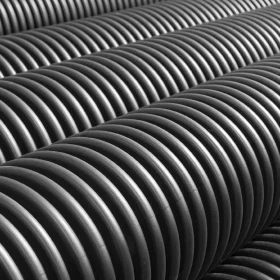 Twin Wall Pipe 6m (Solid or Perforated)Price range: £33.80 through £511.50 Incl. VAT Price range: £28.17 through £426.25 Ex. VAT
 -
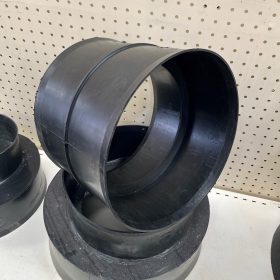 Connectors for Twin WallPrice range: £4.98 through £39.59 Incl. VAT Price range: £4.15 through £32.99 Ex. VAT
 -
 90 Degree Bend for Twin WallPrice range: £25.22 through £573.58 Incl. VAT Price range: £21.02 through £477.98 Ex. VAT
Uses of Twin Wall Pipe:
- Road and Highway Drainage: Handles the heavy load and harsh conditions typical of these environments.
- Agricultural Drainage: Suitable for large-scale projects requiring durable and long-lasting drainage solutions.
- Commercial and Industrial Projects: Used in areas where high durability and load-bearing capacity are essential.
- Residential Applications: Effective for more permanent and heavy-duty drainage systems around homes and estates.
Best Features of Twin Wall Pipe:
- Strength: The corrugated outer wall provides excellent resistance to external pressure.
- Durability: Made from high-density polyethylene (HDPE), ensuring long-lasting performance.
- Smooth Inner Wall: Facilitates efficient water flow and reduces the risk of blockages.
- Load-Bearing Capacity: Ideal for areas with heavy traffic or substantial weight requirements.
Where to Best Utilise Twin Wall Pipe:
- Roads and Highways: Designed to withstand heavy loads and challenging conditions.
- Industrial Areas: Perfect for heavy-duty drainage in commercial settings.
- Agricultural Projects: Ideal for large-scale drainage needs where durability is crucial.
- Permanent Installations: Suitable for long-term drainage solutions in residential and commercial properties.
Comparing Land Drainage Pipe and Twin Wall Pipe
Material and Construction:
- Land Drainage Pipe: Typically made from lightweight plastic, flexible and easy to install, with perforations for water collection.
- Twin Wall Pipe: Made from high-density polyethylene, featuring a smooth inner wall and a corrugated outer wall for added strength and durability.
Installation and Maintenance:
- Land Drainage Pipe: Easier and quicker to install due to its flexibility and lighter weight. Requires regular maintenance to ensure perforations remain unblocked.
- Twin Wall Pipe: More complex to install due to its heavier and more rigid construction but requires less maintenance due to its smooth inner wall, which resists blockages.
Cost:
- Land Drainage Pipe: Generally more cost-effective, making it suitable for large-scale agricultural or residential projects.
- Twin Wall Pipe: Higher initial cost due to its robust construction but offers long-term savings through durability and reduced maintenance.
Performance:
- Land Drainage Pipe: Excellent for managing surface water in less demanding environments.
- Twin Wall Pipe: Superior for high-load applications, such as roads and industrial sites, where durability is paramount.
Choosing the Right Pipe for Your Project
When deciding between land drainage pipe and twin wall pipe, consider the specific requirements of your project. For agricultural fields, gardens, or areas with less traffic, land drainage pipes offer a cost-effective and efficient solution. However, for roads, highways, or industrial sites, twin wall pipes provide the durability and strength necessary to handle heavy loads and challenging conditions. For draining small fields or domestic areas like gardens and driveways, a 110mm or 150mm pipe is usually sufficient. In commercial settings, however, a twin-wall drainage pipe with a diameter of 300mm, 450mm, or even 600mm might be necessary.
In summary, both land drainage pipes and twin wall pipes have unique features that make them suitable for different applications. By understanding their uses, best features, and ideal environments, you can make an informed decision that ensures effective water management for your project.