Skip to content

Fencing
How to Take Down an Old Fence
Old fences can be a real eyesore. Whether you’re sprucing up your garden or preparing for a new fence installation, taking down an old fence can seem like a daunting task. However, with the right tools and techniques, you can safely and efficiently remove an old fence. In this article, we’ll cover everything you need to know to successfully take down an old fence.
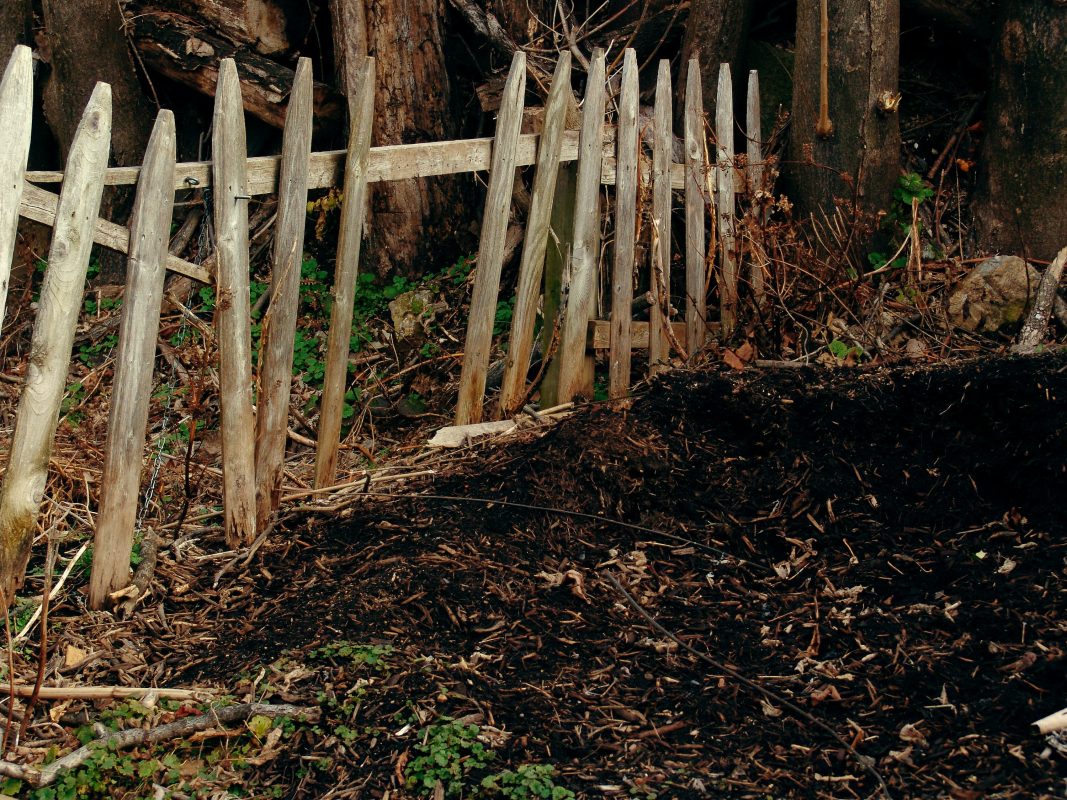
Assessing the Condition of the Fence
Before you start dismantling your old fence, take some time to assess its condition. This will help you identify any weak points or potential hazards before you begin work.
Assessing the condition of your fence is an important step in the removal process. It will not only help you identify any potential hazards, but it will also give you a better idea of what tools and materials you will need to complete the job.
Identifying Weak Points
Start by walking the perimeter of your fence and inspecting it for any weak spots. Look for signs of rot or damage, such as splintered wood or bent metal. These weak spots can make the fence more difficult to remove, and may require extra care and attention during the process.
It’s important to identify these weak points before you begin removing the fence panels. This will help you avoid any unexpected surprises and ensure that the removal process goes smoothly.
Checking for Hazardous Materials
If you suspect that your fence contains hazardous materials, it’s best to seek professional assistance to safely remove them. This will ensure that the materials are handled and disposed of properly, and will help protect you and your family from any potential health hazards.
Evaluating the Stability of Fence Posts
Check the stability of your fence posts by gently pushing on each one. If any of the posts are loose or wobbly, you may need to reinforce them before removing the fence panels.
Reinforcing the fence posts will help ensure that they don’t break or collapse during the removal process. This will make the process safer and more efficient, and will help prevent any damage to your property or surrounding areas.
By taking the time to assess the condition of your fence, you can ensure that the removal process goes smoothly and safely. Whether you’re removing the fence to make room for a new one, or simply to open up your garden, a little bit of preparation can go a long way.
Gathering Necessary Tools and Equipment
Once you’ve assessed the condition of your fence, gather the tools and equipment you’ll need to remove it safely. Removing a fence can be a challenging task, but with the right tools and precautions, you can make the process go smoothly.
Basic Hand Tools
You’ll need a variety of basic hand tools, including a hammer, screwdriver, pliers, and wrecking bar. These tools will help you to remove nails, screws, and other fasteners holding the fence panels in place. A good hammer is essential for removing nails, while pliers can be used to grip and twist screws. A wrecking bar is useful for prying off fence panels that are nailed or screwed into place.
Power Tools and Equipment
Depending on the type of fence you have, you may also need power tools such as a reciprocating saw or circular saw. These tools can be used to cut through fence panels that are too difficult to remove with hand tools alone. A reciprocating saw is ideal for cutting through thick wooden fence panels, while a circular saw can be used to make precise cuts through metal or vinyl panels.
If you don’t own these tools, consider renting them from a hardware store or home improvement centre. This can save you money and ensure that you have the right tools for the job.
Additionally, you may need a truck or trailer to haul away the old fence panels. Be sure to measure the size of the panels and plan accordingly, so you don’t end up with a pile of unusable materials in your garden.
Safety Gear and Precautions
Don’t forget to protect your hands and eyes with gloves and safety glasses. Wear heavy work boots to prevent foot injuries, and be mindful of sharp edges and protruding nails or screws. It’s also a good idea to wear long sleeves and trousers to protect your skin from scratches and cuts.
Before you begin removing the fence, make sure to turn off any nearby power tools or equipment to prevent accidents. If you’re unsure of how to safely remove the fence, consider hiring a professional to do the job for you.
Preparing the Area for Fence Removal
Before you start removing your fence panels, take some time to prepare the area for work. This will ensure that the process goes smoothly and safely.
Clearing Vegetation and Obstacles
If your fence is overgrown with vegetation, trim it back to provide clear access to the fence panels. This will make it easier to see what you are doing and prevent any accidental damage to the fence or surrounding plants. Remove any rocks, debris, or other obstacles that may impede your progress. This will help you move around the area more easily and reduce the risk of tripping or falling.
It’s also a good idea to clear the area around the fence of any other items that may be in the way. This could include outdoor furniture, toys, or gardening tools. By taking the time to clear the area, you’ll have a safer and more efficient work environment.
Marking Utility Lines
Before you start digging near your fence posts, it’s important to locate any underground utility lines. These could include gas, water, or electrical lines. Accidentally hitting one of these lines could cause serious damage and even injury.
To locate the utility lines, you can contact your local utility company. They will often send someone out to mark the lines for you. Alternatively, you can use a utility line locator tool. These tools can be purchased or rented from most hardware stores.
Once you have located the utility lines, mark them with spray paint or flags to prevent accidental damage. Make sure to keep a safe distance from the lines while you are working.
Notifying Neighbours and Obtaining Permits
Depending on your local authorities, you may need to obtain permission before removing your fence. This will ensure that you are following all regulations and guidelines set forth by your local government. You may also want to notify your neighbours of your plans to remove the fence, especially if it borders their property.
Notifying your neighbours can help prevent any misunderstandings or conflicts. It’s also a good opportunity to discuss any plans for a new fence or landscaping once the old fence is removed.
By taking the time to prepare the area for fence removal, you’ll have a safer and more efficient work environment. You’ll also be able to avoid any potential damage to your property or utility lines. So take the time to prepare, and the fence removal process will be a breeze!
Dismantling the Fence Panels
Now that you’ve taken the necessary precautions, it’s time to start removing your fence panels. Removing fence panels can be a daunting task, but with the right tools and techniques, it can be done efficiently and safely.
Removing Fence Boards
If your fence is made of wood, start by removing the fence boards. Use a wrecking bar to loosen the boards and a hammer or crowbar to remove any nails or screws holding them in place. It’s important to wear gloves and safety goggles to protect your hands and eyes from flying debris.
When removing the fence boards, be careful not to damage them if you plan on reusing them for your new fence. If you notice any boards that are in good condition, set them aside to reuse later.
Detaching Rails and Crossbars
Once the fence boards are removed, detach the rails that may hold the boards in place. You may need to use a circular saw or reciprocating saw to cut through any stubborn nails or screws. Make sure to wear earplugs when using power tools to protect your hearing.
If you plan on reusing any of the rails, inspect them closely for any damage or rot. If they are in good condition, set them aside to reuse later.
Handling Damaged or Rotted Wood
If you encounter any damaged or rotted wood during the removal process, handle it carefully to avoid splinters or injury. You may need to use a saw to cut through the damaged wood and remove it from the fence. Be sure to dispose of any damaged or rotted wood properly.
If you plan on reusing any of the wood from your old fence, make sure to inspect it closely for any damage or rot. If it is in good condition, you can use it for your new fence, saving you time and money.
With a little patience and elbow grease, you can successfully remove your old fence and prepare your garden for a new one. Remember to take the necessary precautions to stay safe and protect your property, and don’t hesitate to seek professional assistance if necessary. Once your old fence is removed, you’ll be one step closer to enjoying a beautiful and functional new fence.