Skip to content

Information, Garden
A Step-by-Step Guide to Choosing the Right Wood for Your Fencing
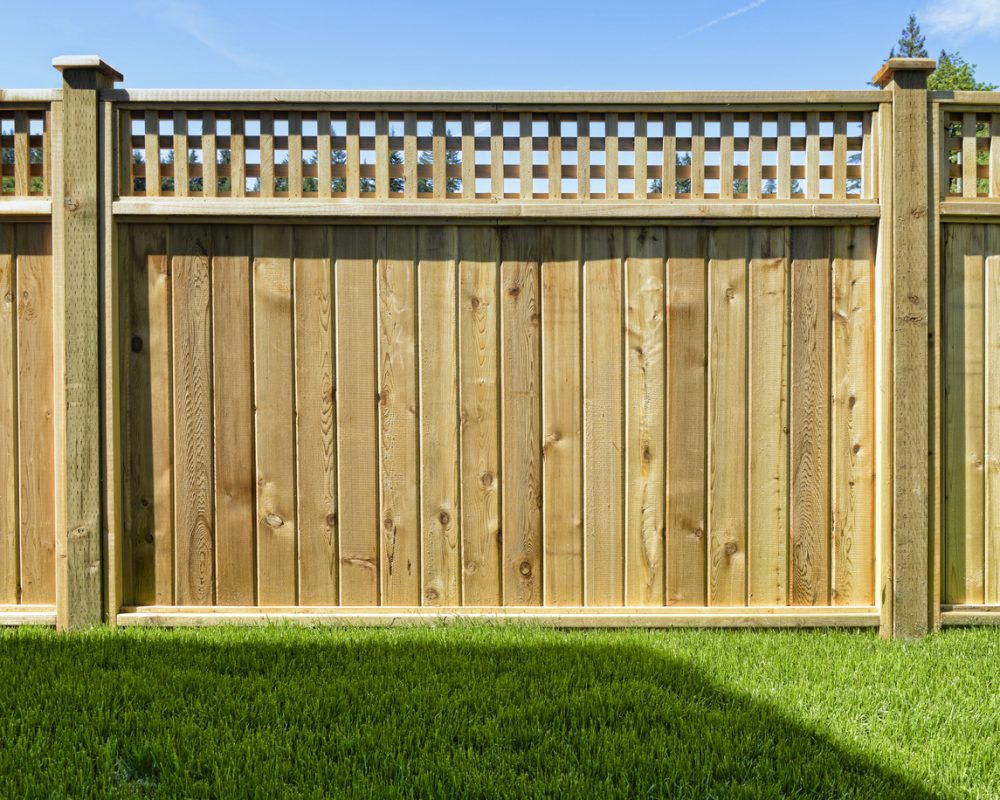
Building wood fencing is a significant investment for homeowners. From providing privacy to improving the visual appeal, a well-designed fence can transform your garden our boundary. One important aspect of building fencing is selecting the right material. With various options available this guide will help you to select a type of material (specifically wood) that suits your needs and will last.
Common Types of Wood Fencing
Softwood
Pine, one of the most popular choices for wood fencing. This type of wood is favoured for its affordability and widespread availability. It is relatively easy to work with, making it a preferred option for DIY enthusiasts. Pine can also be treated to resist rot and insects, to make it last longer. However, it’s important to note that pine may not be as durable as some other options and may require more maintenance in the long term.
Cedar, known for its natural beauty and exceptional resistance to decay, cedar offers a rich, warm tone and emits a pleasant aroma that adds to its appeal. Cedar contains natural oils that act as a deterrent to insects, making it an excellent choice for areas prone to pests. While cedar may come at a higher price point, its exceptional durability and longevity may outweigh the initial cost.
Redwood, another premium option for fencing. This wood type is naturally resistant to decay and insects, and has a striking visual appeal with its distinct darker colour. Additionally, redwood has excellent dimensional stability, meaning it is less likely to shrink or warp over time. Another option that may make a worthwhile investment because of its long lifespan.
Hardwood
Oak is a robust and heavy hardwood known for its exceptional strength, making it ideal for a long-lasting wood fencing. Oak is resistant to decay and insect attacks, ensuring that your fence remains in excellent condition for years to come. In addition to its durability, oak also boasts an elegant grain pattern and consistent colour. However, oak can be more challenging to work with due to its density, and it may be more expensive than other options.
What to Look for When Buying Wood for Your Fencing
Moisture Content
Moisture content affects the stability and structural integrity of the wood. Look for wood with a moisture content of 15% or less to minimise the risk of warping or rotting.
Timber Use Class System
This is a standard classification for wood treatment that has specific treatment criteria to meet usage purposes. UC1 and UC2 are for wood that is used indoors. UC3 wood used outdoors above ground (e.g. fence panels) and UC4 is for wood that is used outdoors, in permanent contact with the ground such as fencing posts.
The timber goes through a complex treatment process to achieve this – it is first dried, and then pressure treated, which is the method used to force the preservative deep into the wood. The treated wood is then allowed to air dry for 48 hours, resulting in a highly durable and water resistant timber which should give a service life depending on the Use Class, such as UC4 which provides a desired service life of 15 years.
You may see timber referred to as tanalised – this is the same as pressure treated wood, but the brand of preservative used is Tanalith™. Always check whether your tanalised timber is UC4 if it’s to be used as an in ground fence post.
Finish
While the natural beauty of wood can be appealing, applying a finish to your wood fencing is essential to protect it from the elements. A finish acts as a barrier against moisture, UV rays, and other environmental factors that can cause the wood to deteriorate over time. When choosing a finish, consider both the aesthetic appeal and the level of protection it provides. Stains can uplift the natural colour of the wood while adding a layer of defence, while sealants create a clear protective coating. Consulting with a professional can help you determine the best finish for your specific wood type and desired outcome.
By carefully considering the grade, moisture content, and finish of the wood, you can ensure that your fence not only looks beautiful but also stands up for years to come. Remember to take into account your personal preferences, budget, and the environmental conditions in your area when making your final decision. Investing in high-quality wood and proper maintenance will result in a fence that improves your property’s aesthetics and provides a long lasting boundary.
Finishing and Maintaining your Chosen Timber
The pressure treatment used to produce UC3 and UC4 timber leaves a continuous layer of preservative around the outside of the wood. However, should you need to cut the timber then the cut will expose the untreated wood inside. Treat these cut surfaces with an end grain preservative to prevent any water damage. If you need to cut a UC4 fencing post, always make sure that the cut (and re-treated) end is above ground. In addition if cementing the fencing post into the ground, create a small area of raised concrete around the base of the post, rather than a dip in which water could collect.
To maximise the lifespan of your wood fencing, regular maintenance is essential. Follow these simple maintenance tips to keep your fence looking its best:
- Inspect your fence periodically for any signs of damage, such as loose boards or rotting sections.
- Trim any nearby vegetation that could potentially damage the fence or create excessive moisture.
- Address any repairs promptly to prevent further damage or deterioration.
What to Consider When Selecting Wood for Your Fencing
Before making a final decision, there are a few additional factors to consider when selecting your wood fencing.
Budget
Determine your budget for the fence project, factoring in the cost of materials as well as installation if applicable. Keep in mind that while certain types of wood may be more expensive upfront, their longevity could save you money in the long run.
Local Climate
Consider the climate in your area when choosing wood fencing. Some types of wood may be better suited for wet or humid environments, while others may excel in dry or extreme weather conditions. Consulting with a local expert can help you make the best choice.
Aesthetics
Finally, consider the overall aesthetic you want to achieve. Different woods offer varying colours, grain patterns, and textures. Determine the look you desire for your fence and choose a wood that complements your style.
Advantages and Disadvantages of Different Types of Material for Wood Fencing
Each type of wood has its own advantages and disadvantages. Let’s take a closer look at the pros and cons of the common types mentioned earlier:
Pine
- Advantages: affordable, readily available, can be treated to resist rot and insects.
- Disadvantages: less durable than other options, may require more maintenance.
Cedar
- Advantages: naturally resistant to decay and insects, pleasing aroma, offers a rich tone.
- Disadvantages: higher price point, requires regular maintenance.
Redwood
- Advantages: natural resistance to decay and insects, dimensional stability, attractive reddish-brown hue.
- Disadvantages: higher upfront cost, may require periodic maintenance.
Oak
- Advantages: strong and durable, resistant to decay and insects, elegant grain pattern.
- Disadvantages: denser and more challenging to work with, possibly higher cost.