Skip to content

Garden
A Beginner’s Guide to Selecting the Perfect Timber Sleepers for Your Garden
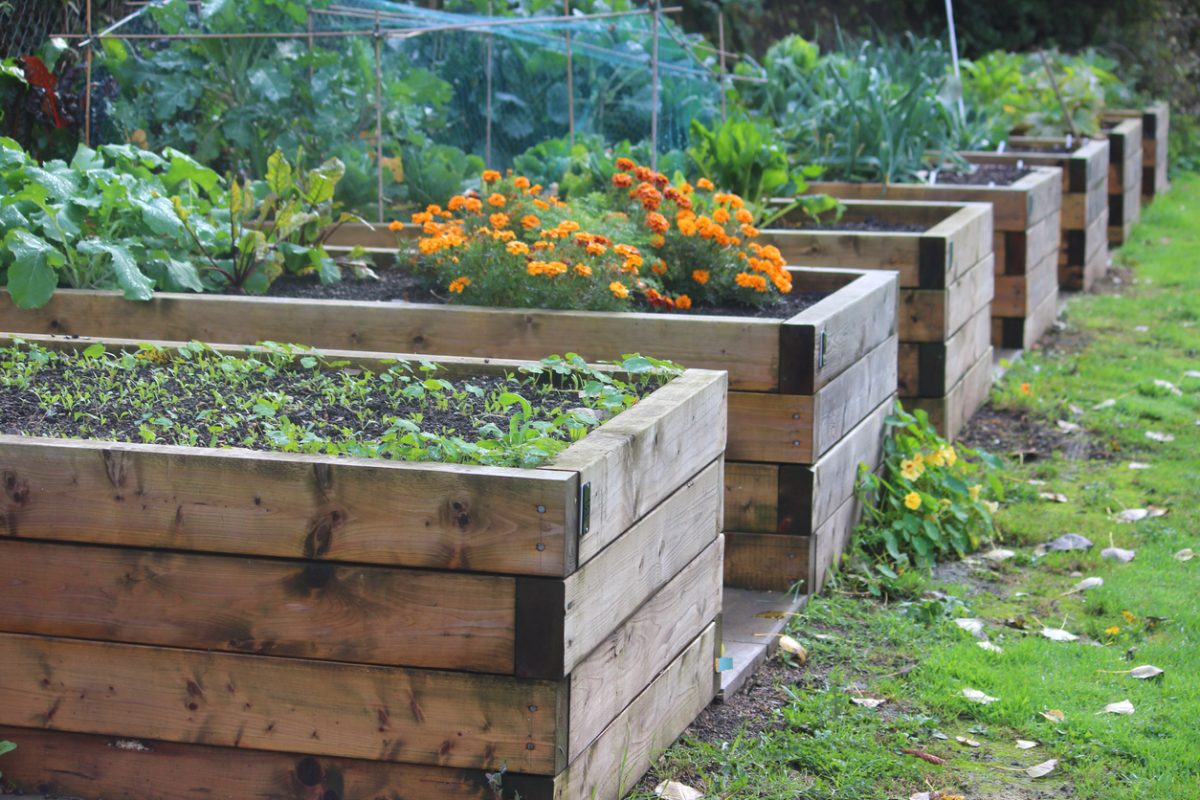
Timber sleepers are an essential element when it comes to creating a functional outdoor space. Whether you are building a table, constructing a raised bed, or designing a landscaping feature, you need to choose the right sleepers for your project. In this guide, we will explore the factors to consider when selecting sleepers, different types available, and provide insights on designing and building using sleepers.
Selecting the Perfect Timber Sleepers for Your Project
Choosing the right timber sleepers for your project is the first step towards a functional and aesthetically appealing garden feature. Consider the intended use – a table for dining, a bed for growing, or as a decorative piece? This will help determine the size and dimensions of the sleepers you will need.
Different sleeper options can offer different looks for you your outdoor area. For example, oak sleepers can bring a cleaner, more modernist appearance with a smoother finish and natural timber colour. Where as, a creo railway sleeper can bring a more rustic, old style design with its darker more worn tones. Alternatively a softwood sleeper, which is lighter and easier to work with, could be a more affordable option for your landscaping project.
-
 200mm x 100mm SleeperPrice range: £8.86 through £28.81 Incl. VAT Price range: £7.38 through £24.01 Ex. VAT
 -
 Grade A 2.6m x 250mm x 150mm Creo railway Sleeper£44.66 Incl. VAT£37.22 Ex. VAT
 -
 2.4m x 200mm x 100mm European Oak Sleeper (French)Product on saleOriginal price was: £52.39.£41.92Current price is: £41.92. Incl. VAT Original price was: £43.66.£34.93Current price is: £34.93. Ex. VAT
Different Types of Timber Sleepers and Their Benefits
There are various types of timber sleepers available, each with its own unique characteristics and benefits.
Hardwood sleepers, such as oak or beech, are known for their durability and natural beauty. They are resistant to rot and decay, making them an excellent choice for outdoor furniture and garden features. However, they can be more expensive compared to other options.
Softwood sleepers are more cost-effective and easier to work with. They are lighter, making them easier to handle during the construction process. However, they may not be as durable as hardwood sleepers and may require more maintenance over time.
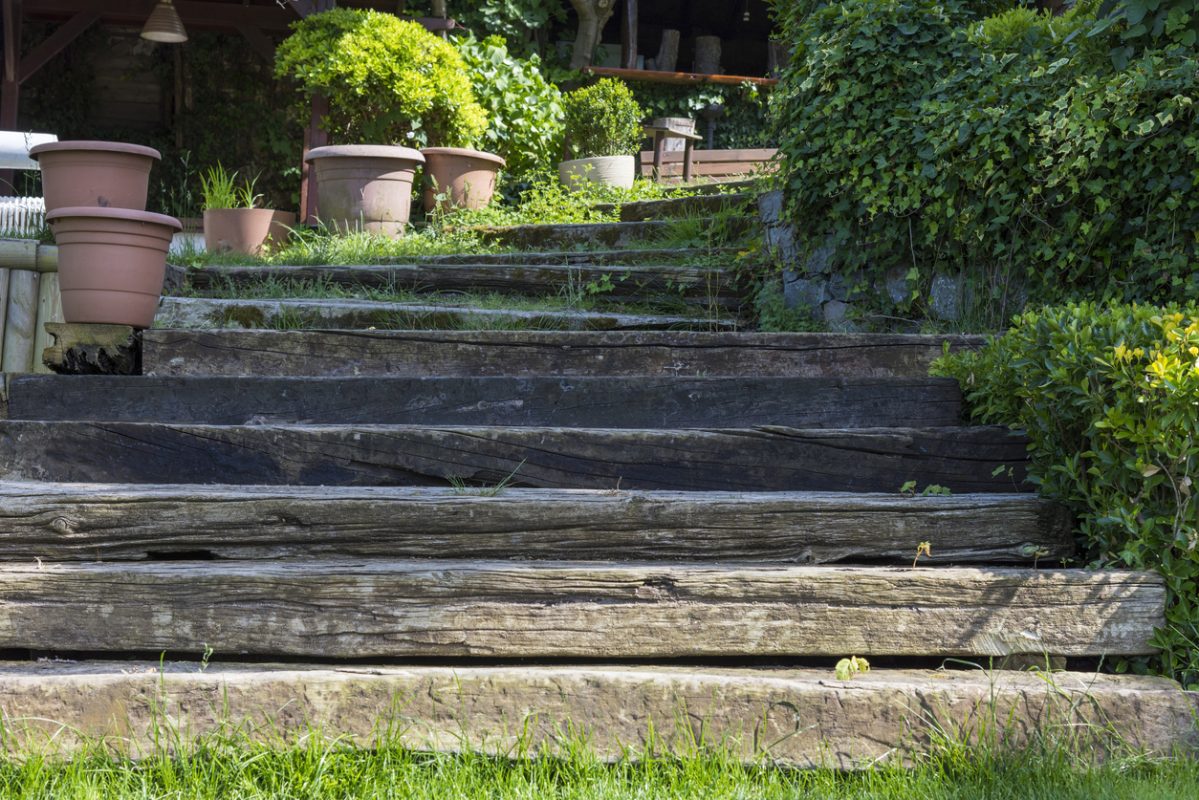
Recycled railway sleepers offer a rustic and environmentally-friendly option. These sleepers have a unique charm, often displaying marks and signs of their previous use. This type of reclaimed sleeper will have been treated with Creosote which can react with the skin and burn. Therefore when handling them you must wear the appropriate protective equipment, for example gloves. Obviously this type of sleeper is not suitable for making a table but would be very appealing as a retaining wall, steps or as edging. Reclaimed sleepers may last longer than softwood sleepers when used as steps.
Designing Your Feature
Tips for Planning the Layout and Dimensions
Before beginning the construction process, it is important to carefully plan the layout and dimensions. Consider the available space and how the feature will fit within it. Take measurements and create a scaled drawing to visualise the final effect.
When designing, it can be inspiring to explore different designs and styles. Browsing magazines and social media sites can give you a wealth of ideas.
Preparing the Timber Sleepers for Construction
Before you start building, ensure you have measured and cut your sleepers to the correct length. Also ensure you have decided how to fasten them.
Proper Cutting and Drilling Techniques for Timber Sleepers
Accurate cuts and drillings are important for the success of your construction project. To achieve precise results, it is essential to use the right tools and techniques.
Before making any cuts, measure and mark the sleepers according to your desired dimensions. Use a measuring tape and a pencil to mark the sleepers accurately, double-checking your measurements before proceeding.
When it comes to cutting the sleepers, you have a couple of options. A circular saw is a popular choice for its efficiency and ability to make straight cuts. However, if you prefer a more hands-on approach or have thinner sleepers, a handsaw can also be used. Whichever tool you choose, make sure to follow the manufacturer’s instructions and wear appropriate safety gear.
Drilling holes in timber sleepers requires careful attention to detail. Start by selecting the appropriate drill bit size for your project. Secure the sleepers firmly in place using clamps or a vice to prevent any movement during drilling. Take your time and apply steady pressure as you drill, ensuring that the holes are straight and clean.
By following these proper cutting and drilling techniques, you’ll achieve accurate and professional-looking pieces that will fit together seamlessly during construction.
There are several methods you can use to join timber sleepers. One option is to use heavy duty timber screws, for construction where drilling is not required. These provide a strong and reliable connection. You can also use fixing plates and angled brackets. Make sure to use screws that are appropriate for outdoor use and if you choose to work with hardwood sleepers, you may need to pilot each fixing hole first.
Improving Durability with Protective Coatings
Treating the timber with a suitable exterior protective finish will protect the sleepers from moisture, UV rays, and other outdoor elements. Apply the coating evenly, following the manufacturer’s instructions. Reapply the protective coating as needed to maintain its durability and appearance. Protek clear tough coat and Protek clear stable coat is a water based solution that forms a moisture proof barrier to protect timber from water damage. Alternatively Restol UV wood oil nourishes timber and puts emphasis on protection from UV rays.
-
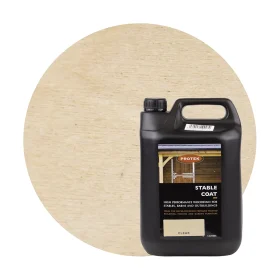 Protek 5Ltr Clear Stable Coat£34.03 Incl. VAT£28.36 Ex. VAT