Skip to content

Fencing
6 Types of Farm Fencing | Effective & Durable Solutions
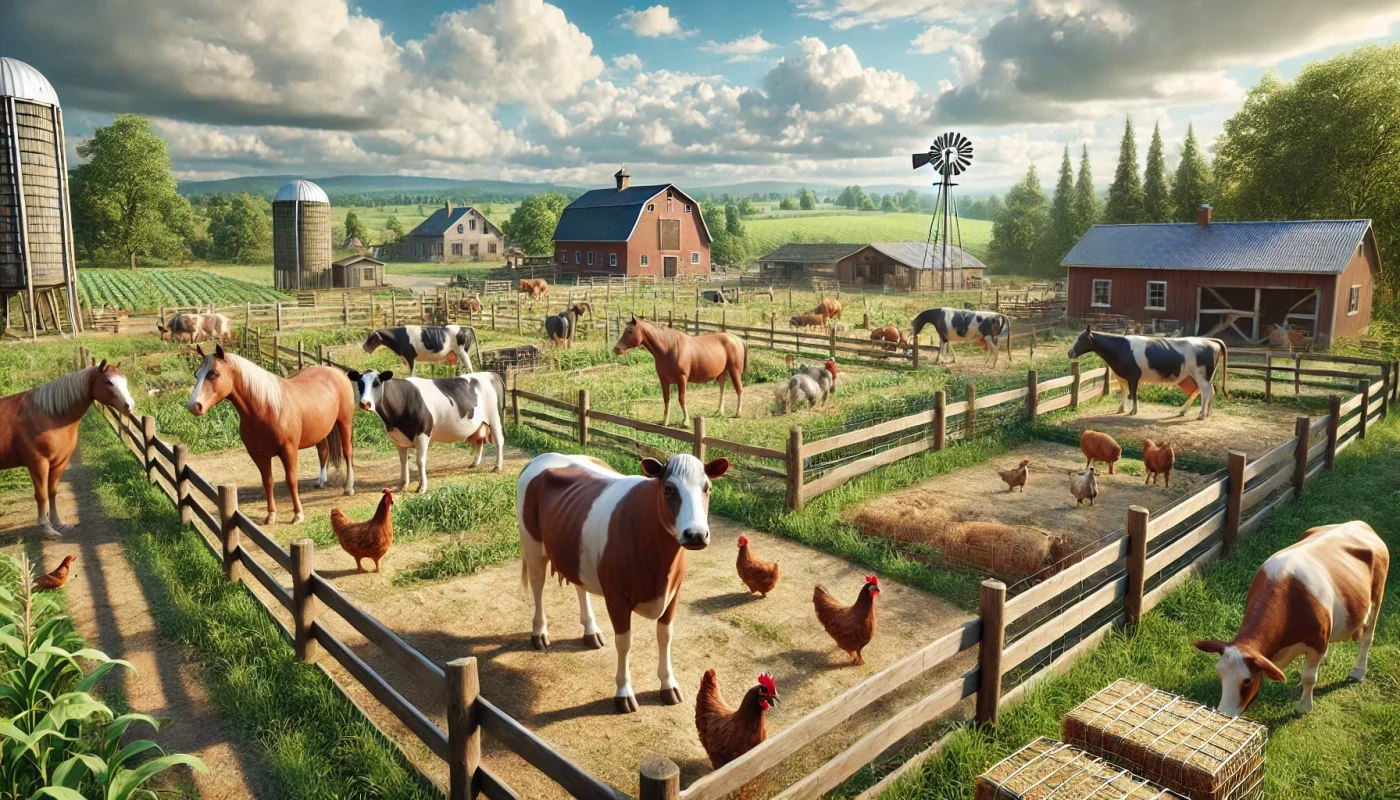
When it comes to farm fencing, choosing the right type of fence is important for both protecting livestock and maintaining crops. Depending on the farm’s needs, there are several types of agricultural fencing that are commonly used:
1. Post and Wire Fencing
One of the most popular types of farm fencing, post and wire systems offer flexibility and durability. These fences are made by securing wire—such as barbed wire, or high-tensile wire—to timber posts. Here’s a closer look at each type of wire used:
Barbed Wire: Great for livestock control, barbed wire fences have sharp barbs that deter animals from crossing. It’s affordable but may not be the best option for farms with animals that can get injured on the sharp edges.
High-Tensile Wire: High-tensile wire fencing is designed to be strong and long-lasting. It can be electrified to improve effectiveness and is often used for cattle, horses, and large paddocks.
-
 100mm Machined Round Post Pointed UC4Price range: £8.46 through £16.20 Incl. VAT Price range: £7.05 through £13.50 Ex. VAT
 -
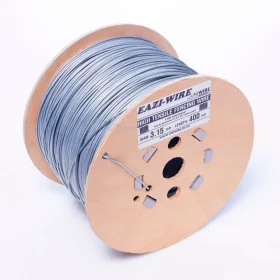 EaziWire Spool 25kg 600m x 2.5 HT Line Wire£77.18 Incl. VAT£64.32 Ex. VAT
 -
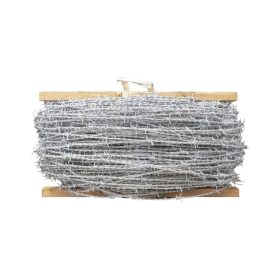 2mm High Tensile Barbed WirePrice range: £48.68 through £486.77 Incl. VAT Price range: £40.57 through £405.64 Ex. VAT
2. Electric Fencing
Electric fencing is ideal for managing livestock. It delivers a mild shock when animals touch the wire, acting as a psychological barrier. Electric fencing is highly effective, easy to install, and can be used on its own or in combination with other fence types.
Temporary Electric Fencing: This is perfect for rotational grazing or short-term needs. It can be quickly set up and moved, making it popular with farmers who need a flexible solution.
Permanent Electric Fencing: This type is more robust, designed for long-term use, and often combined with high-tensile wire. It’s commonly used for large cattle farms or areas where strong boundaries are needed.
-
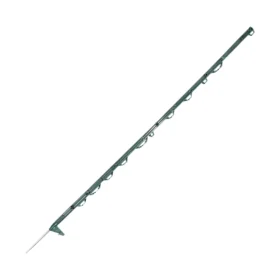 1.4m Plastic Horse Posts Green (10pp)£35.82 Incl. VAT£29.85 Ex. VAT
 -
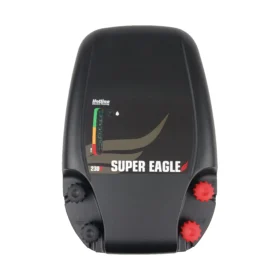 Super Eagle Mains Energiser£234.91 Incl. VAT£195.76 Ex. VAT
 -
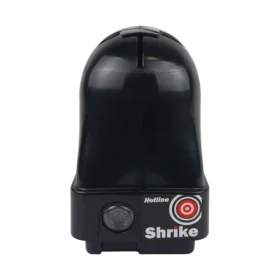 Shrike Battery Energiser£123.38 Incl. VAT£102.82 Ex. VAT
3. Post and Rail Fencing
Post and rail fencing is a classic and durable option commonly used on farms, particularly for horses and larger livestock. It consists of horizontal timber rails fixed between sturdy vertical posts, creating a solid and visually appealing boundary. This type of farm fencing offers excellent visibility, which is important for animals like horses that can become spooked if they can’t see what’s around them.
While post and rail fences are strong, they do require regular maintenance to prevent rot or damage, especially in wet conditions. Creosoted and copper oil treated timber can extend the fence’s lifespan, making it a reliable choice for those wanting a traditional yet practical farm fencing solution.
-
 1.8m x 125mm x 75mm Redwood Fence Post Pointed UC4£10.14 Incl. VAT£8.45 Ex. VAT
 -
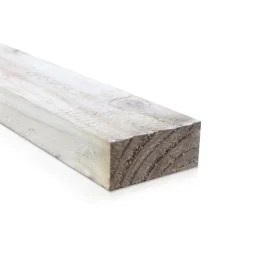 87mm x 38mm Rail Sawn (Treated)Price range: £3.85 through £6.76 Incl. VAT Price range: £3.21 through £5.63 Ex. VAT
 -
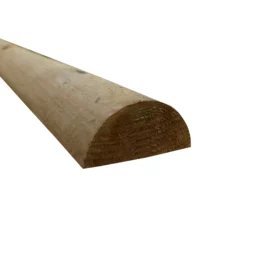 3.66m x 85mm Half Round Rail£6.76 Incl. VAT£5.63 Ex. VAT
4. Stock Fencing
Stock fencing is a highly practical solution for containing smaller livestock such as sheep, goats, and pigs, while also keeping predators out. Made from galvanised wire, it features smaller gaps near the bottom to prevent animals from squeezing through or getting stuck. The height of stock fencing typically ranges from 90 cm to 1.2 metres, depending on the animals it’s designed to contain.
It is often reinforced with timber or metal posts for added stability. Stock fencing is ideal for farms with large numbers of animals, offering durability, flexibility, and security for both livestock and crops. Proper installation and regular maintenance ensure it remains one of the most effective types of farm fencing.
-
 Tornado R8/80/15 High Tensile Stock Net (X-Knot)Price range: £177.46 through £443.63 Incl. VAT Price range: £147.88 through £369.69 Ex. VAT
 -
 C8/80/15 Stock NetPrice range: £73.70 through £143.09 Incl. VAT Price range: £61.42 through £119.24 Ex. VAT
 -
 HT8/80/15 HT Stock NetPrice range: £161.98 through £809.83 Incl. VAT Price range: £134.98 through £674.86 Ex. VAT
5. Deer Fencing
Deer fencing is essential for keeping deer out of areas where they can cause damage, such as crop fields, gardens, or even woodlands. This type of farm fencing is designed to be tall, usually between 1.8 to 2.4 metres, to prevent deer from jumping over. The most common material used is high-tensile wire, which is strong enough to withstand the pressure of large animals, though some farmers may opt for wire mesh for extra security.
Deer fencing is particularly useful in areas with high deer populations, as it helps to protect valuable crops and prevent grazing on young trees or plants. While it’s effective for keeping deer out, it can also act as a general barrier for other wildlife, making it one the best
-
 R13/192/15 (100m) Deer Net Tornado HT X-Knot£353.29 Incl. VAT£294.41 Ex. VAT
 -
 LHT13/190/15 (100m) Deer Net£268.48 Incl. VAT£223.73 Ex. VAT
 -
 Deer Gate Fully MeshedPrice range: £246.08 through £606.07 Incl. VAT Price range: £205.07 through £505.06 Ex. VAT
6. Rabbit and Pest Fencing
Rabbit and pest fencing is essential for protecting crops, gardens, and young trees from smaller animals like rabbits, hares, and other burrowing pests. This type of farm fencing is typically made from tightly woven wire mesh with small gaps, designed to prevent even the smallest animals from squeezing through. To stop rabbits from digging underneath, the mesh is buried at least 30 cm deep and rises about 90 cm above the ground.
This makes it a highly effective barrier for both above and below-ground threats. Rabbit and pest fencing is commonly used around vegetable plots, orchards, and newly planted trees, helping to preserve valuable crops from damage. Regular inspections and repairs keep the fence functional and pest-proof.
-
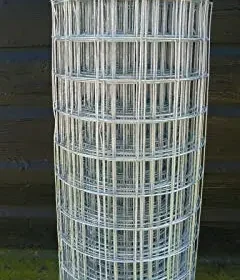 50mm x 50mm x 2.5mm Pre-Galv Weld MeshPrice range: £85.10 through £180.67 Incl. VAT Price range: £70.92 through £150.56 Ex. VAT
 -
 75mm Machined Round Post Pointed UC4Price range: £4.40 through £8.04 Incl. VAT Price range: £3.67 through £6.70 Ex. VAT
 -
 50mtrs HNHT15/158/7.5 Badger Net (X Knot)£332.94 Incl. VAT£277.45 Ex. VAT
Choosing the Right Fence
The right types of agricultural fencing depends on the farm’s specific needs, the types of animals being kept, and the terrain. For farms dealing with predators, high-tensile electric or woven wire fencing can offer the best protection. If you’re working on a horse paddock or want to give your farm a traditional look, post and rail might be the way to go. Meanwhile, electric and temporary fencing provide more flexibility, especially for farms practicing rotational grazing.
Regardless of the type you choose, regular maintenance is key to keeping agricultural fencing in good condition. Posts should be checked for stability, and any broken wires or loose boards should be repaired as soon as possible to prevent costly problems later on.